Master Sculptor · Traditional Idol-Maker
Sri Akkala Ramakrishna Rao
A life shaped in bronze, gold, and stone. Five decades of sacred, civic, and portrait sculpture — from life-size bronzes of India's national leaders to temple ornaments across the United States, Kenya, and Ireland.
Introduction
A Life Shaped in Bronze, Gold, and Stone
Sri Akkala Ramakrishna Rao is a master sculptor and traditional idol-maker whose career, now in its sixth decade, embodies mastery of both bronze portraiture of prominent leaders and temple ornaments of astonishing intricacy. He is a visionary artist dedicated to the preservation, evolution, and global propagation of Indian sculptural heritage — a rare figure equally at home shaping a life-size bronze of a Prime Minister and hammering a gold karnabharanam for a temple deity.
For over five decades, he has mastered Vastu Shastra, the classical treatises on sculpture, and the iconographic sciences prescribed by the Agama Shastras — including Pratima Lakshana Shastra, the science of correct iconographic form, and Pratima Mana Shastra, the science of image proportions. In his hands these traditions are not museum artefacts but living disciplines; every commission passes through the same rigorous canon that has guided South Indian sculptors for centuries.
What sets his work apart is the way he bridges two worlds. The sacred traditions of Shilpa Shastra and Agama Shastra — with their exacting rules for divine iconography — meet the monumental civic scale of state-commissioned bronze portraiture. The result is a body of work that reads at once as devotional and civic, as heritage and as public monument.
He discovered his passion for sculpture at the age of fifteen and received formal training in modelling, freehand drawing, metalwork, and design in Madras — earning Government Technical Certificates in 1979 and 1980 in Higher Grade Modelling, Freehand Outline & Model Drawing, and Higher Grade Design. Pursuing his aspiration to sculpt life-size figures in bronze, he embarked on a decades-long journey of self-teaching, working with master sculptors, and refining his craft in his own studio.
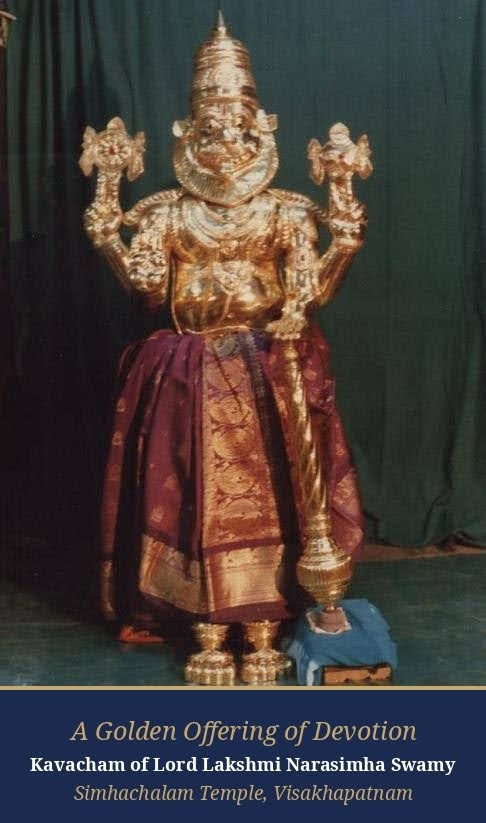
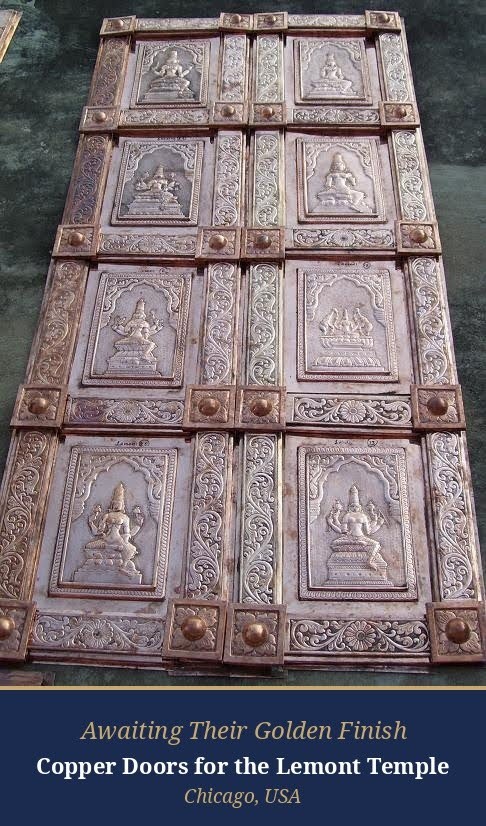
He is a master of panchaloha, gold, silver, bronze, and stone, and works with equal fluency in clay, plaster, and mixed media. He has crafted moola virat (presiding deities), utsava vigrahas (processional idols), kavachas (armours), kiritas (crowns), karnabharanams (ear ornaments), vahanams (temple vehicles), simhasanas (thrones), silver and bronze temple doors, and makara thoranas (sacred arches) — the full architectural and iconographic vocabulary of the Hindu temple.
Alongside temple work, he has executed life-size bronze and stone statues of national leaders, Presidents, Chief Ministers, and cultural figures — installed in cities across India and abroad. He also spent more than two years in the United States (1995–1997) crafting gold and silver aabharanas and idols for Hindu diaspora temples.
Profession & Expertise
Master sculptor and traditional idol-maker. Specialist in panchaloha, gold, silver, clay, bronze, and stone.
Primary Base
Tenali, Andhra Pradesh. Studio: Silpa Vignana Sala. Family Shilpi lineage.
Training
Learned sculpture from his father from age 15. Government Technical Certificates, Madras (1979–80) in Modelling, Freehand Outline & Model Drawing, and Design.
International Practice
Two years of onsite work in the United States (1995–1997). Commissions in Kenya, Ireland, and diaspora temples across five U.S. states.
Collaboration
Worked with Prof. Daniel Bohls, educating and inspiring youth in Andhra Pradesh through joint projects and studio residencies.
Mentorship
Longstanding mentor to emerging sculptors and free art education provider through Chitra Kala Parishath, established 1990.
Lineage
Sculpture as Inheritance
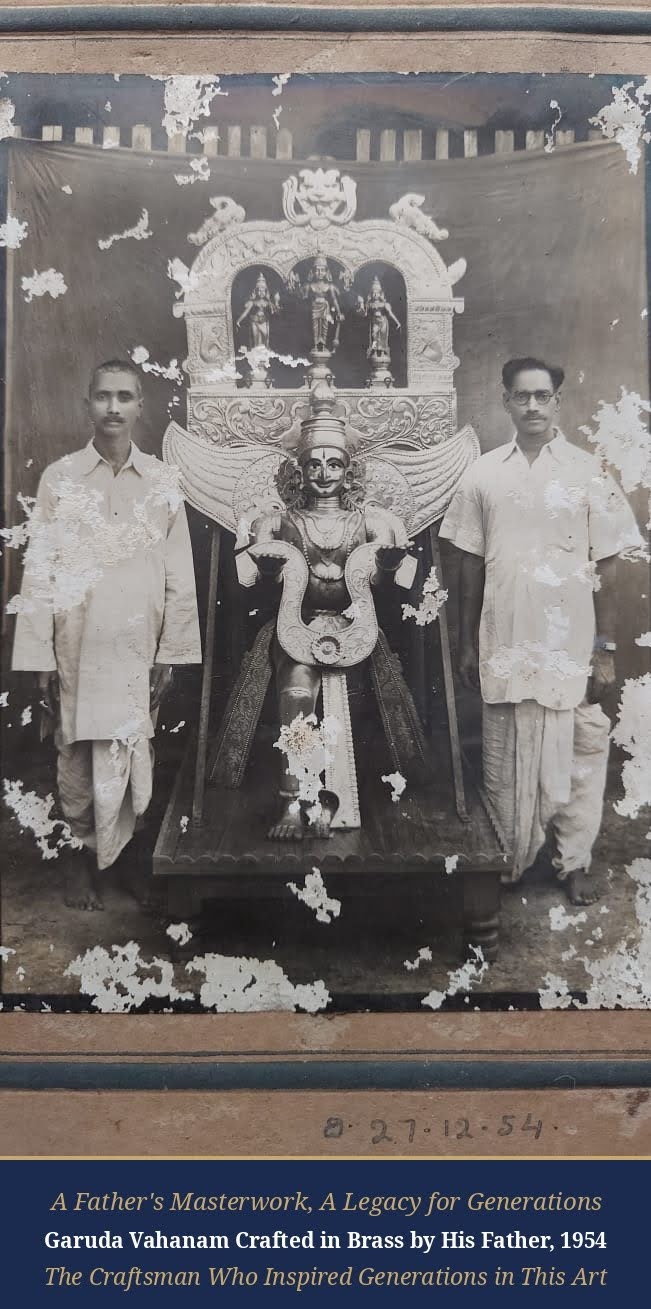
The tradition began a generation earlier — in the workshop of his father, whose temple vahanams from the 1950s still stand in Andhra Pradesh's shrines. This is a craft passed from father to son, chisel to chisel, prayer to prayer.
The Father
Sri Akkala Ramaiah — the Guru at Home
Sri Akkala Ramakrishna Rao was born into a family of hereditary Shilpis. His earliest teacher — and lifelong guru — was his own father, Sri Akkala Ramaiah. Under his father's patient guidance he learned to read the classical Shilpa Shastra and Agama Shastra texts, to model in clay, and to work bronze in the lost-wax method that has been used in South India for more than a thousand years.
Among his father's own celebrated works are the Rama Parivar Mandapam (1954), the Ravana Brahma Vahanam (1956), and the Garuda Vahanam (1954) — still-standing testaments to the family's contribution to South Indian temple sculpture. Sri Akkala Ramakrishna Rao took up sculpture in earnest at around age fifteen, learning directly from his father and, later, from several other revered teachers in the field.
Private Studies
Portraits of a Mother and Father
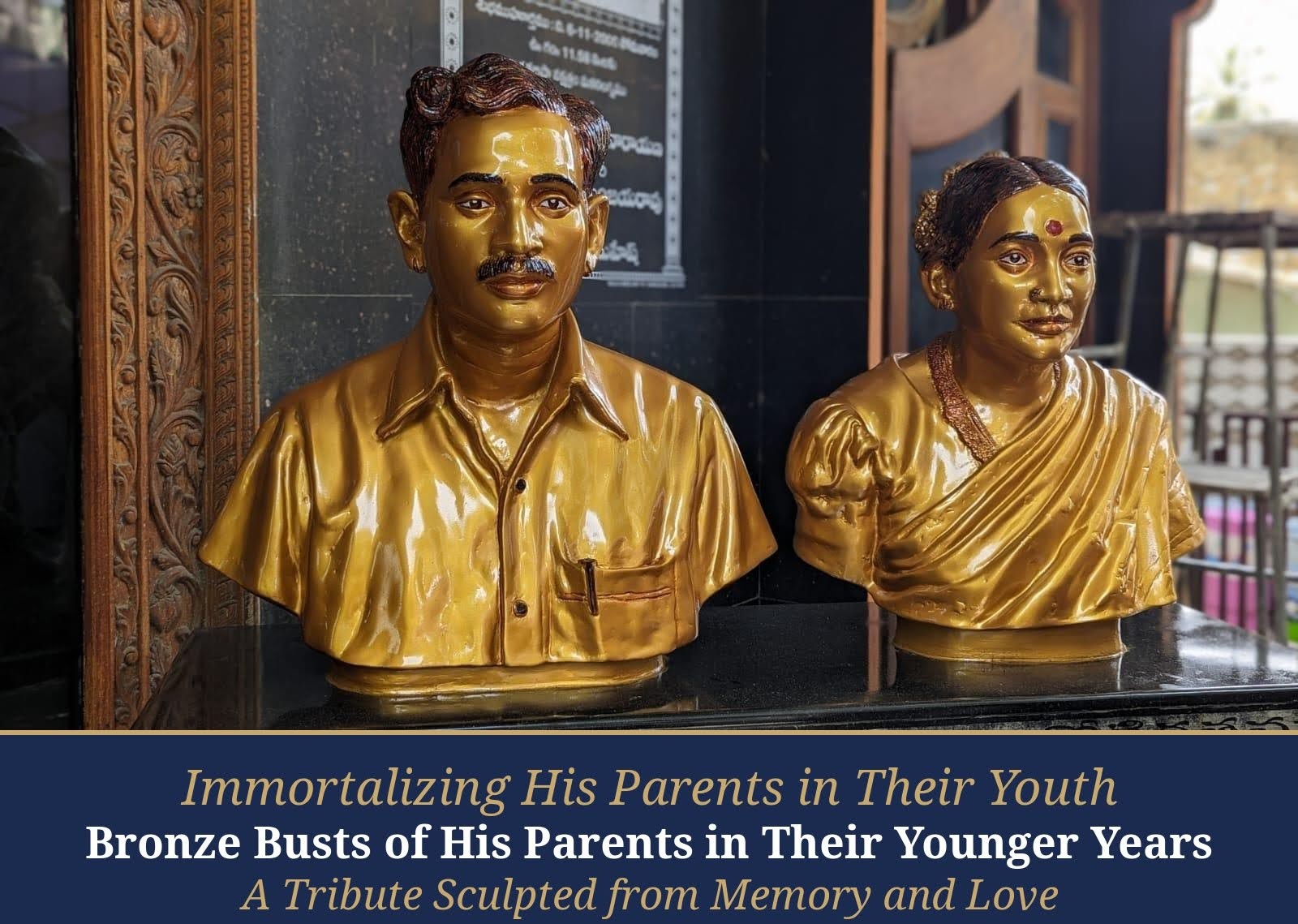
Some of Sri Akkala Ramakrishna Rao's most quietly moving pieces are the ones closest to home — clay and bronze studies of his own mother and father, crafted with the tenderness of a son and the discipline of a master.
These are not commissioned works. They are pieces of the artist's private world, sculpted in moments between larger projects, that let us see the man behind the monumental bronzes. The delicate clay portrait of his mother, worked in fine detail, and the working sketches and busts that trace the sculptor's developing eye — together, these family works form a private counterpart to his more public commissions.
Practice
The Full Vocabulary of a Master
Eight competencies define his practice — from the classical iconographic canon to the monumental bronze commission, from studio management to the transmission of the craft to a new generation.
Traditional Mastery
Deep command of Shilpa Shastra proportion systems, iconographic canons, and ritual specifications for temple deities.
Monumental Bronze
Life-size and larger figurative statuary in bronze, panchaloha, and stone for public and government installations across India and abroad.
Hybrid Techniques
Integrates traditional lost-wax and repoussé methods with contemporary modelling and finishing approaches.
Temple Ornamentation
Full command of moola virat, utsava vigrahas, kavachas, kiritas, karnabharanams, vahanams, simhasanas, dvaras, and makara thoranas.
Studio Practice
Operates Silpa Vignana Sala, a full-service sculpture studio in Tenali producing work across gold, silver, bronze, and stone.
International Practice
Temple commissions executed across the United States, Kenya, and Ireland, including a multi-year onsite residency for the Hindu diaspora.
Mentorship
Trains emerging sculptors and provides free art education to younger generations through Chitra Kala Parishath, established 1990.
Cross-Cultural Collaboration
Collaborated with international artistes such as Prof. Daniel Bohls, sharing studio practice and inspiring youth in Andhra Pradesh.
Government Commissions & Public Works
A Portrait Gallery of Modern India
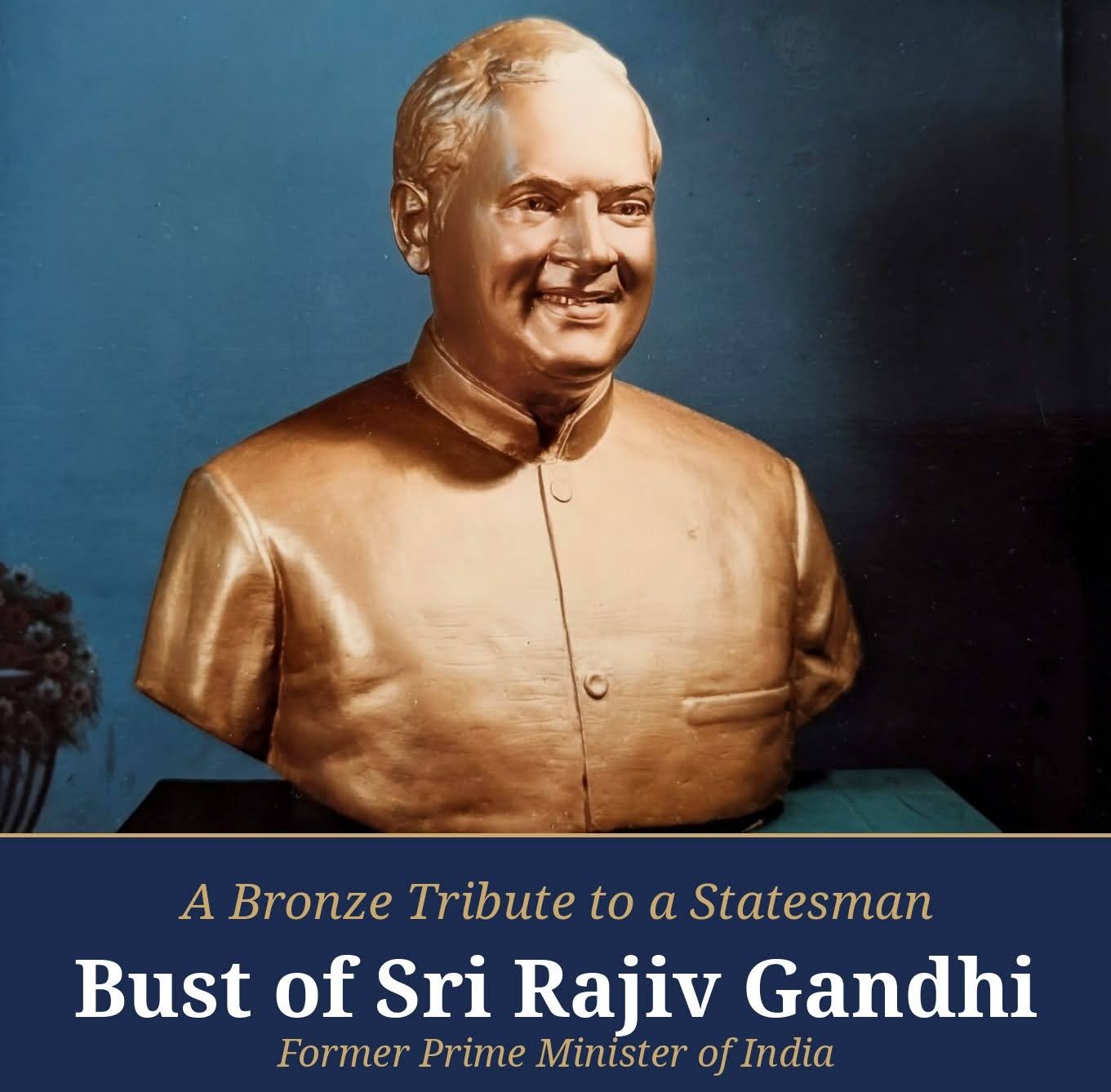
Life-size bronze and stone statues of national leaders, Chief Ministers, and cultural figures — commissioned by central and state government bodies over more than four decades. Cast one figure at a time.
The statues have been installed across India — outside universities, in public squares, on government campuses, and in the entrance halls of institutions bearing the names of their honorees. Several were unveiled by sitting Prime Ministers, Chief Ministers, and Union Cabinet Ministers, and a number are documented in the letters and citations preserved in the artist's archive.
Beyond the public monument, the workshop preserves clay maquettes, plaster busts, and study models that trace each commission from likeness to finished bronze — a working archive of forty years of civic sculpture in the making.
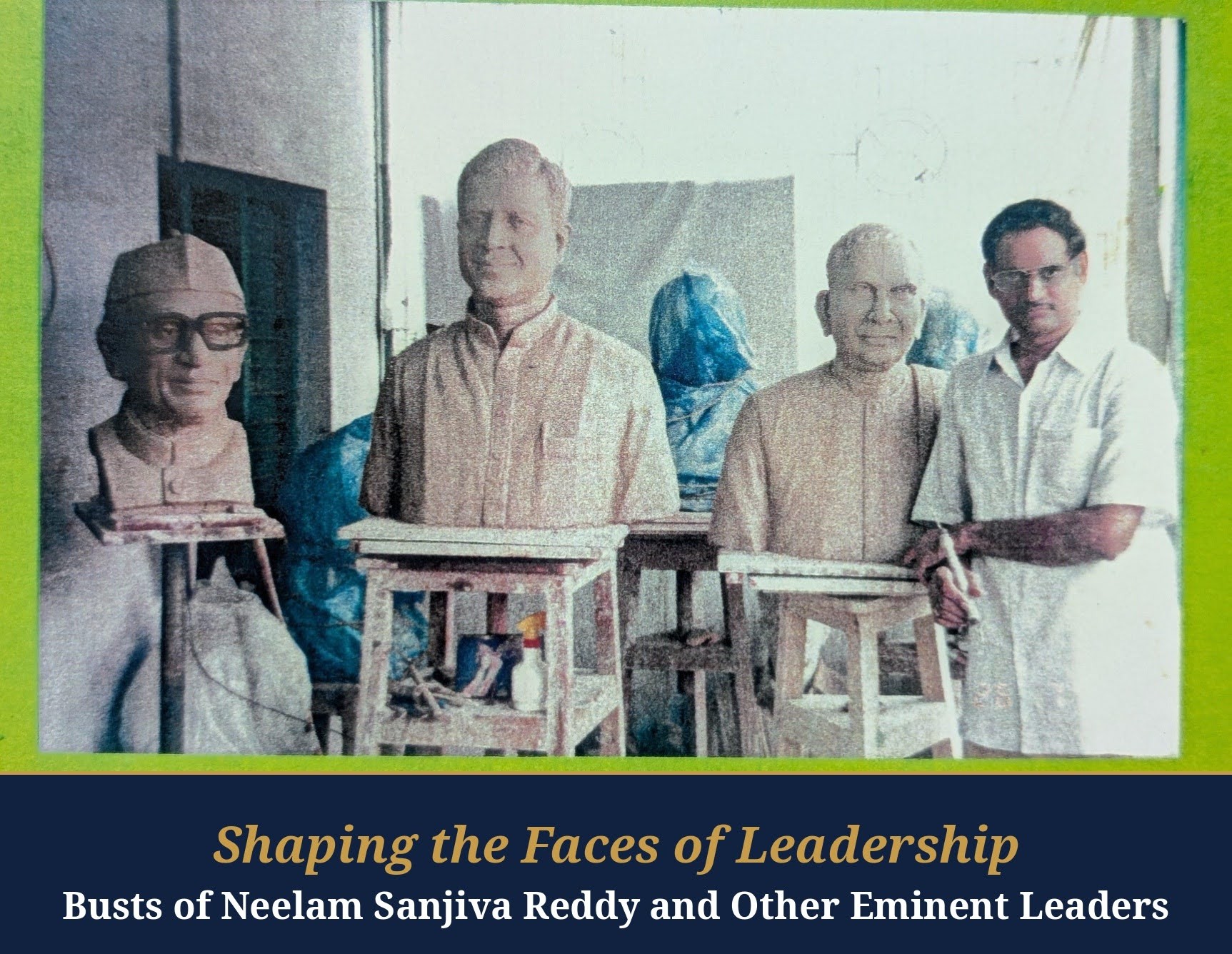
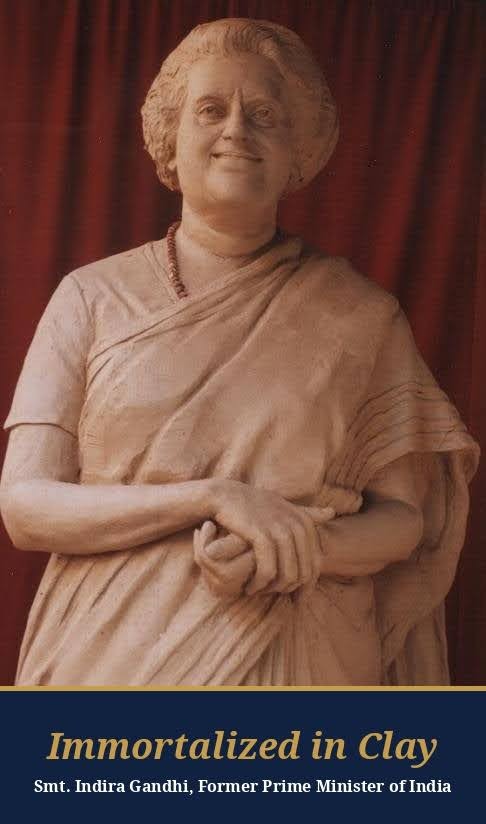
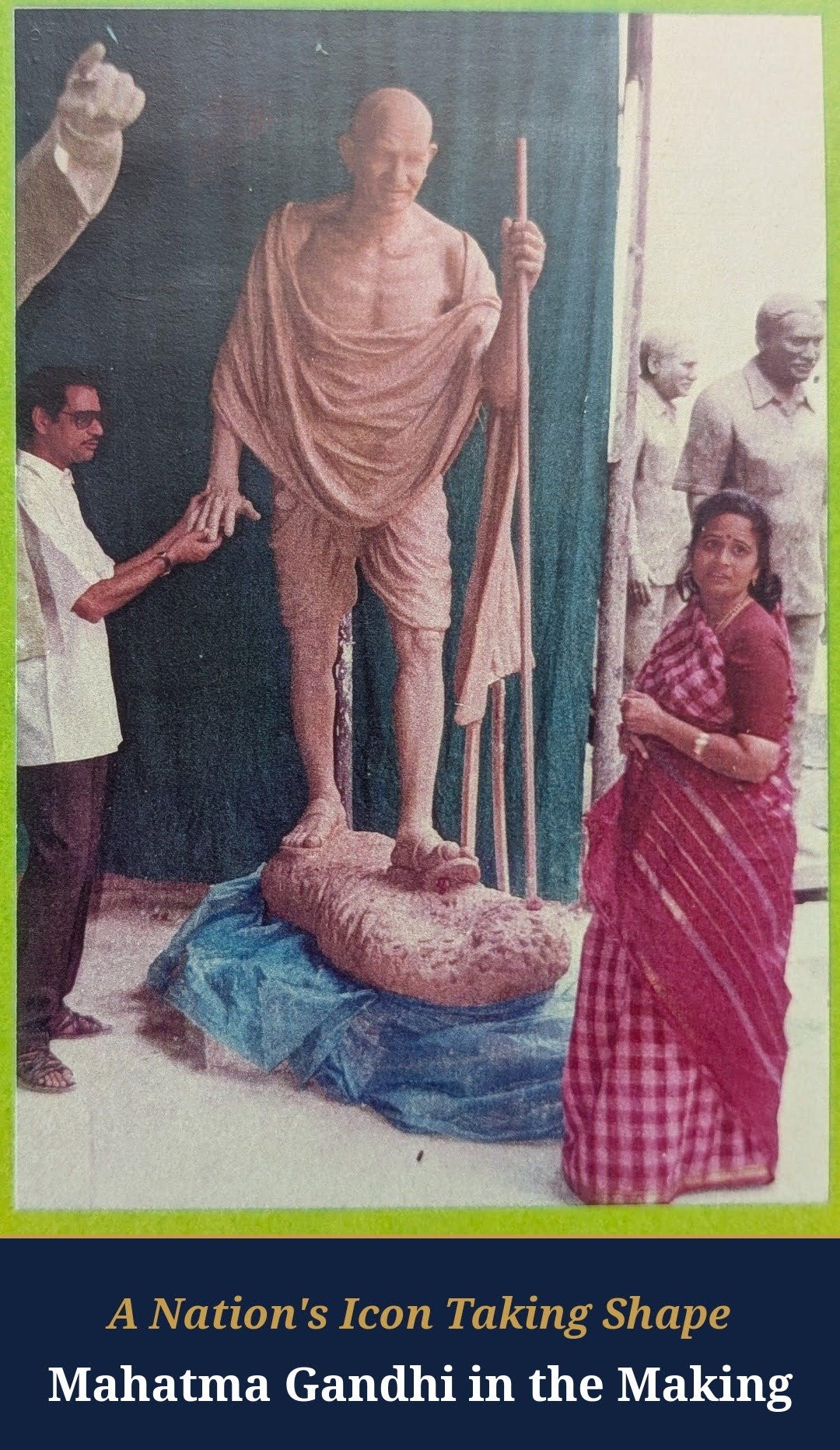
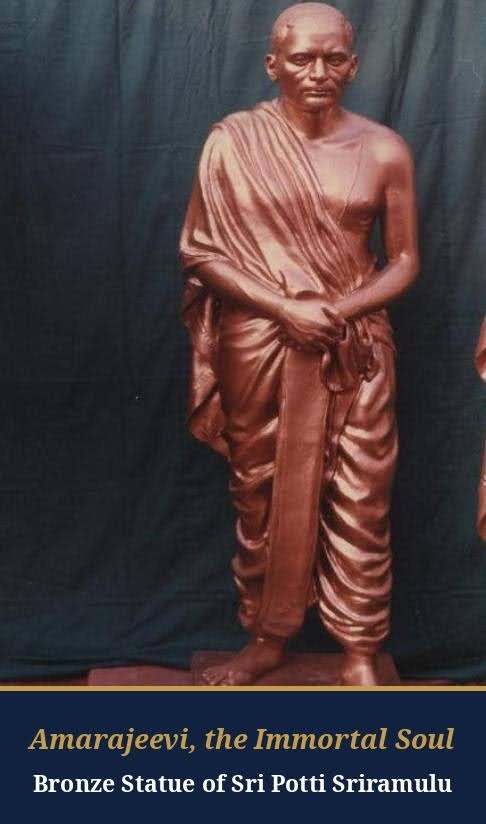
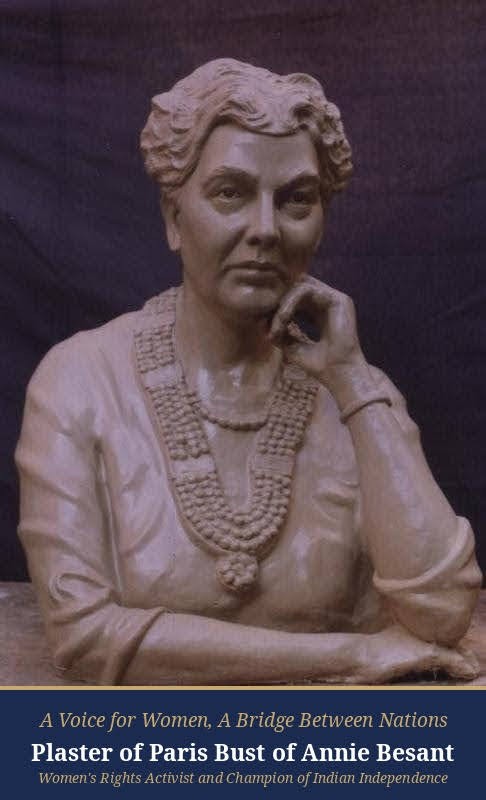
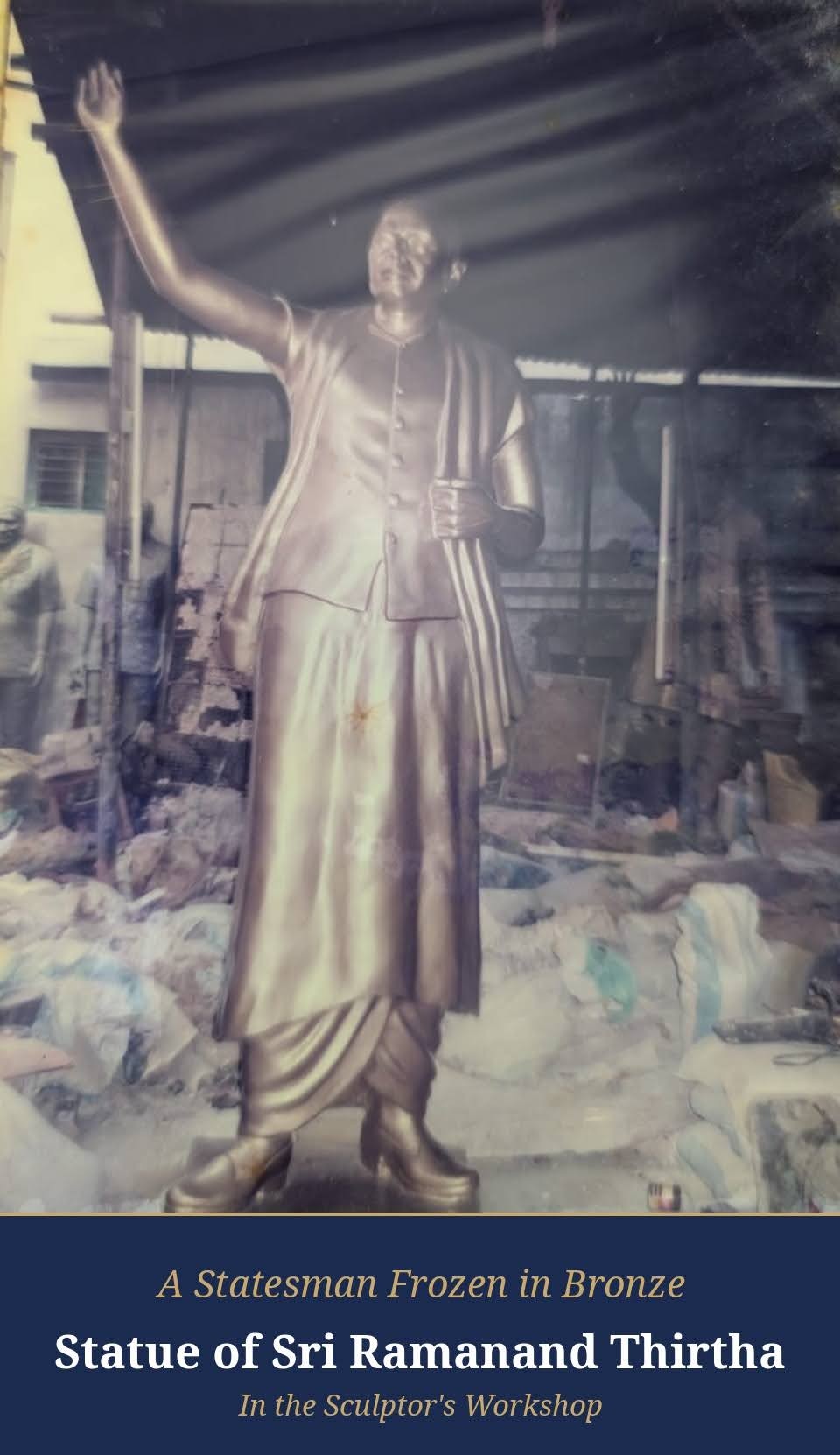
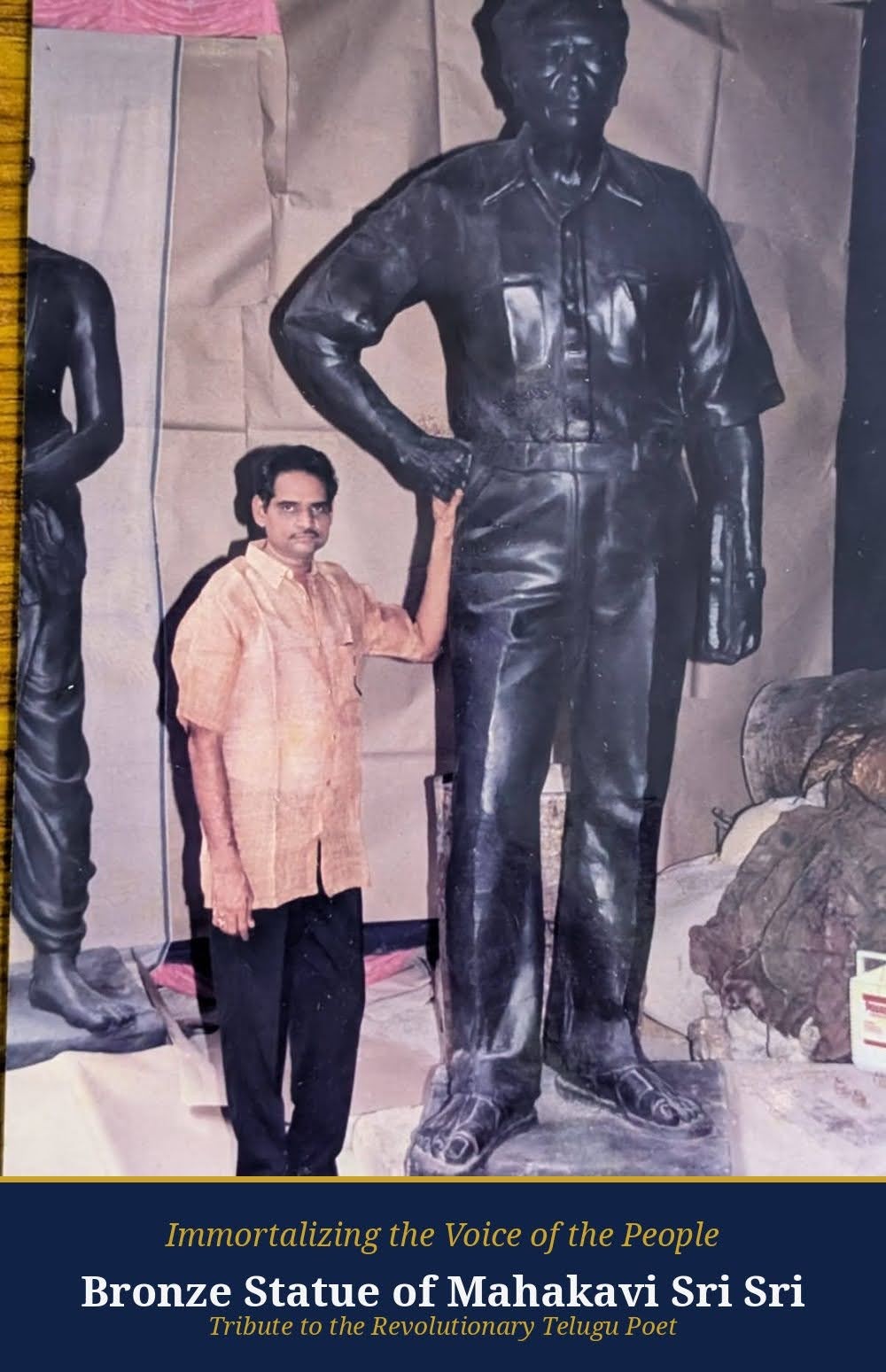
See every portrait and study model in the Gallery — filter by Statues & Leaders.
A Sculptor and His Subject
Sculpting a Legend — Sri N.T. Rama Rao
In 1993, Sri Akkala Ramakrishna Rao was commissioned to sculpt the life-size statue of Sri Nandamuri Taraka Rama Rao — actor, cultural icon, and former Chief Minister of Andhra Pradesh. What might have been a straightforward government commission became something more unusual: the sculptor and his subject worked together in daily one-on-one sessions over the course of a week, shaping and perfecting the artistic vision for the statue.
The photographs preserved in the artist's family archive document the full process. They show direct body measurements being taken from the sitting Chief Minister; clay being worked with the subject himself present; and the finished statue emerging from the intimate collaboration of an artist and a legend. It is a rare visual record of a public monument being made — and of the trust that had to exist between the man being sculpted and the man doing the sculpting.
The statue that emerged from those sessions stands today as one of the sculptor's most personally significant works, and one of the finest bronze portraits of NTR in existence.
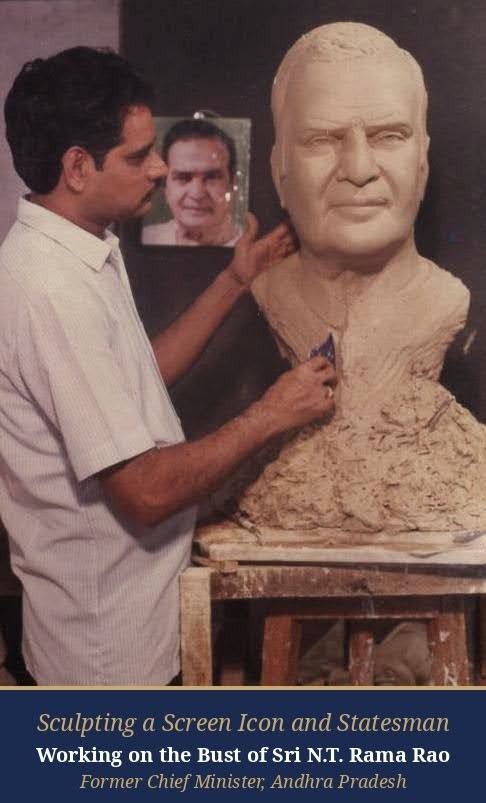
Documented Commission Correspondence
Independent Evidence in the Archive
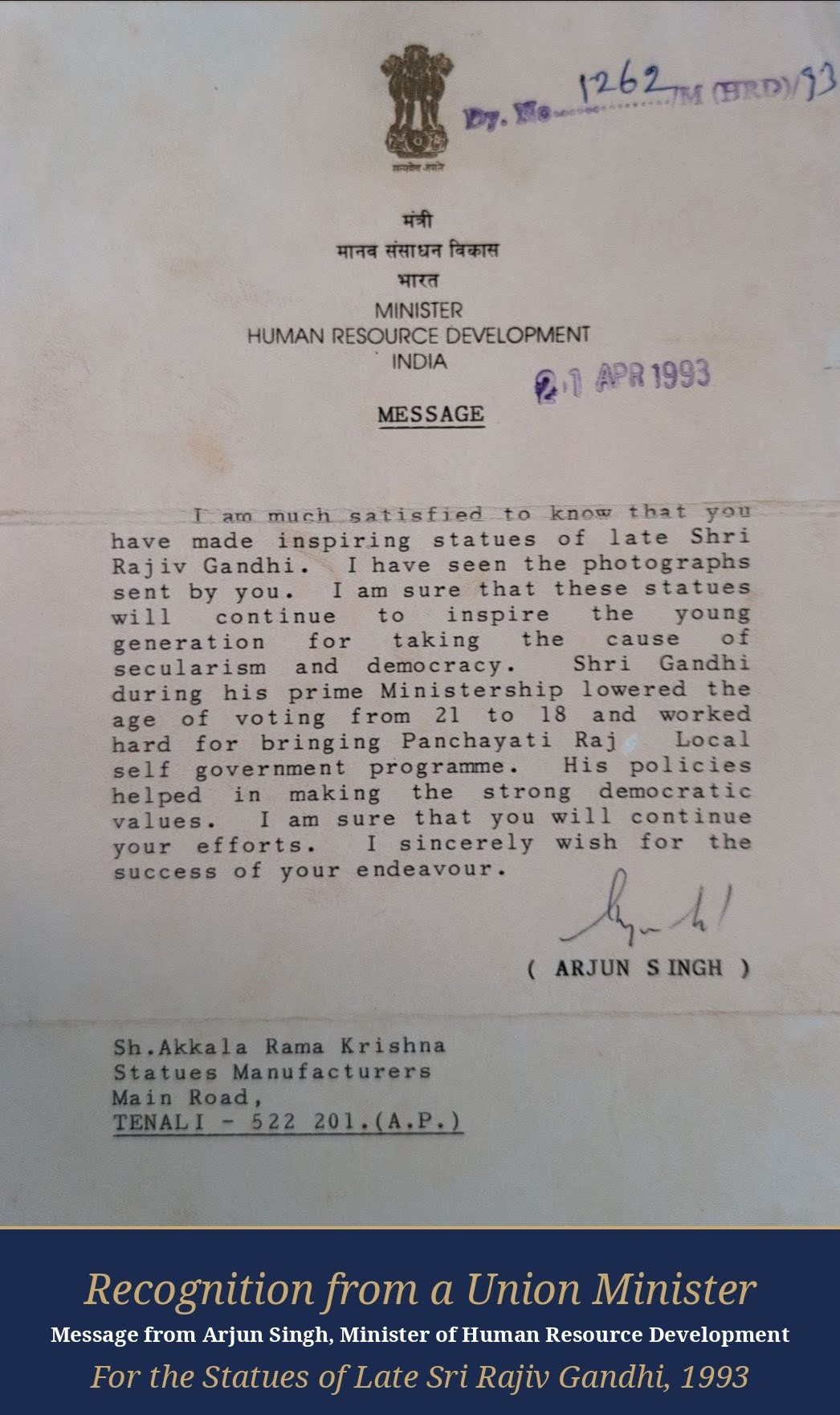
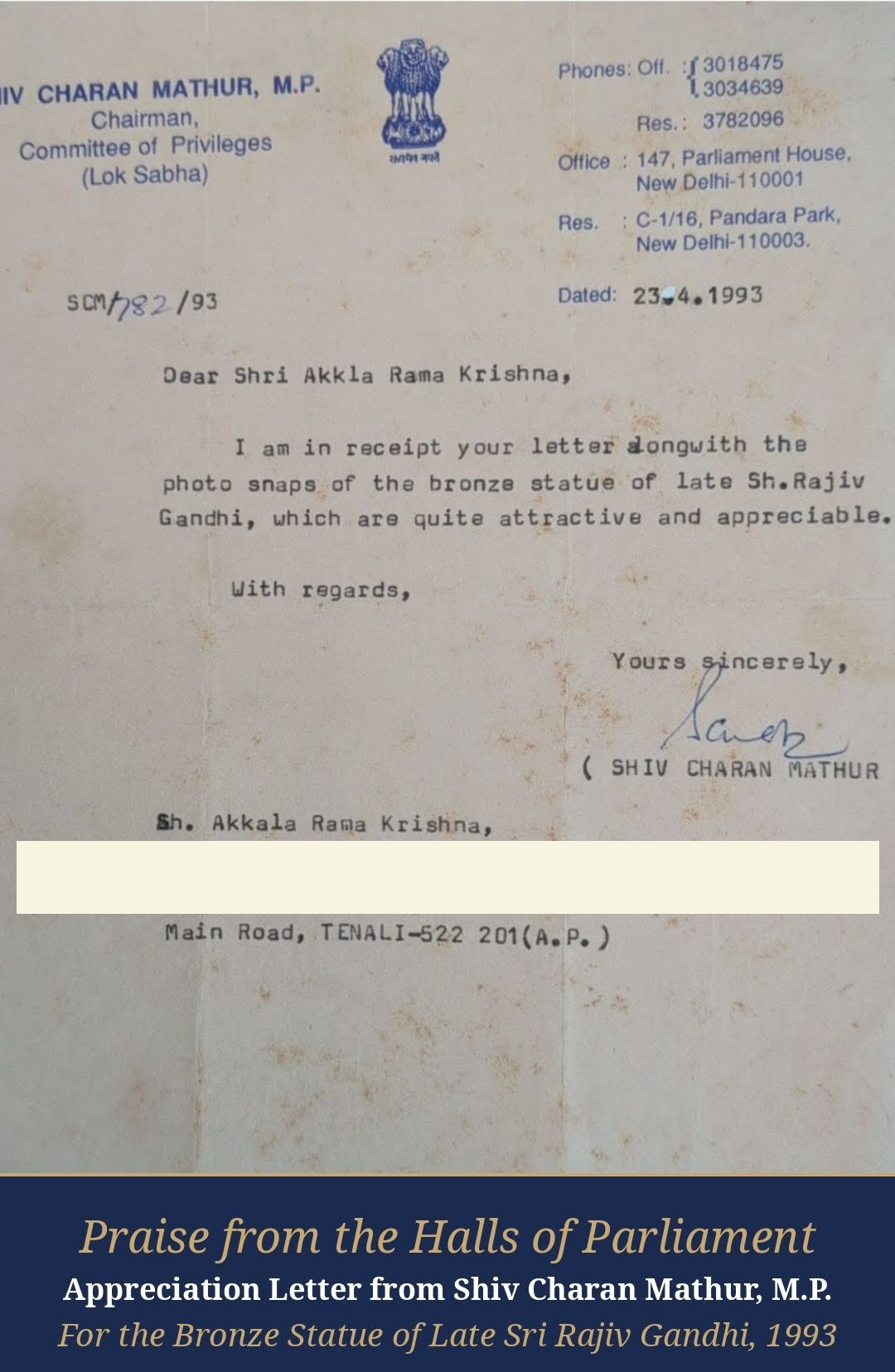
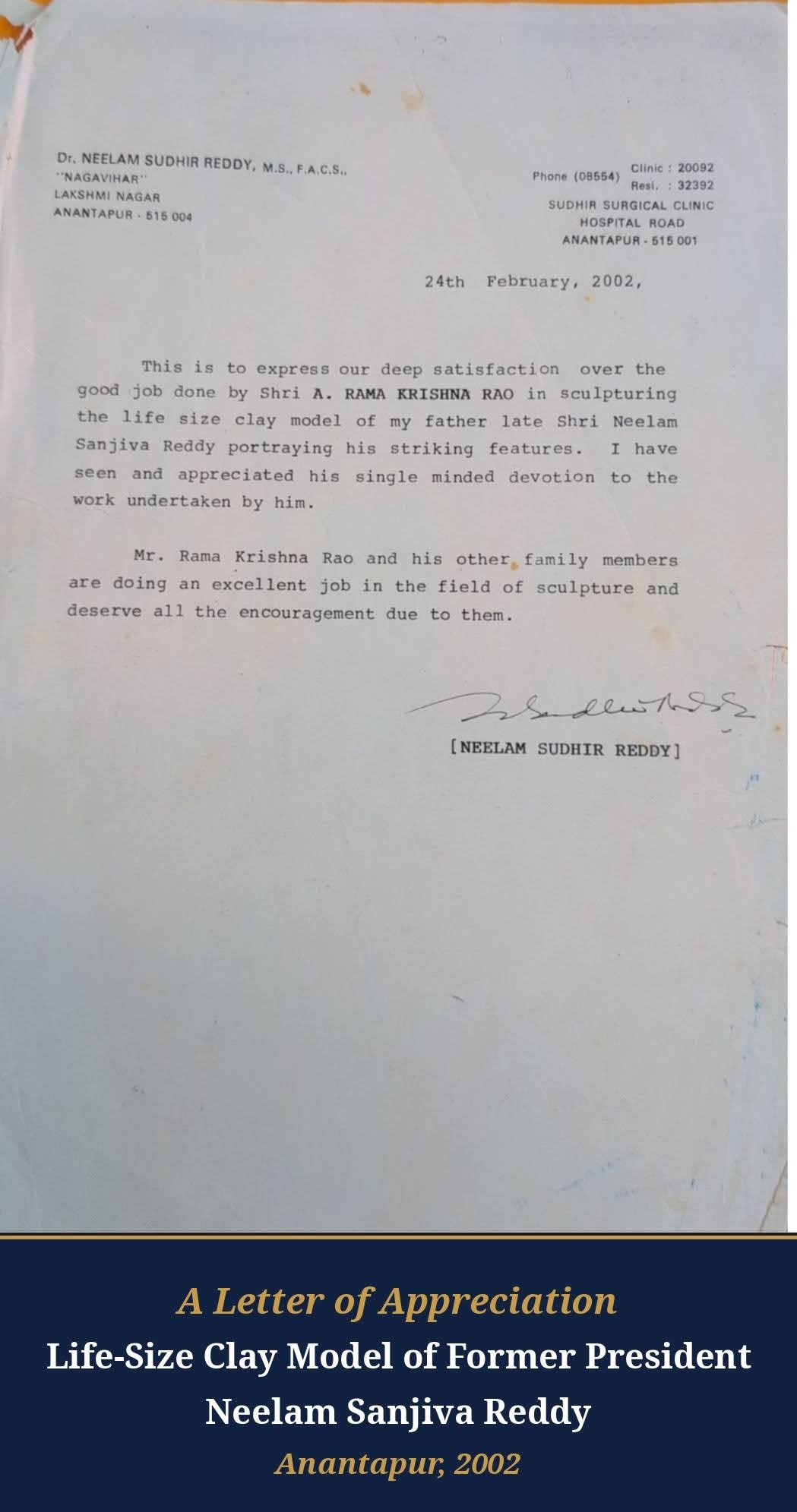
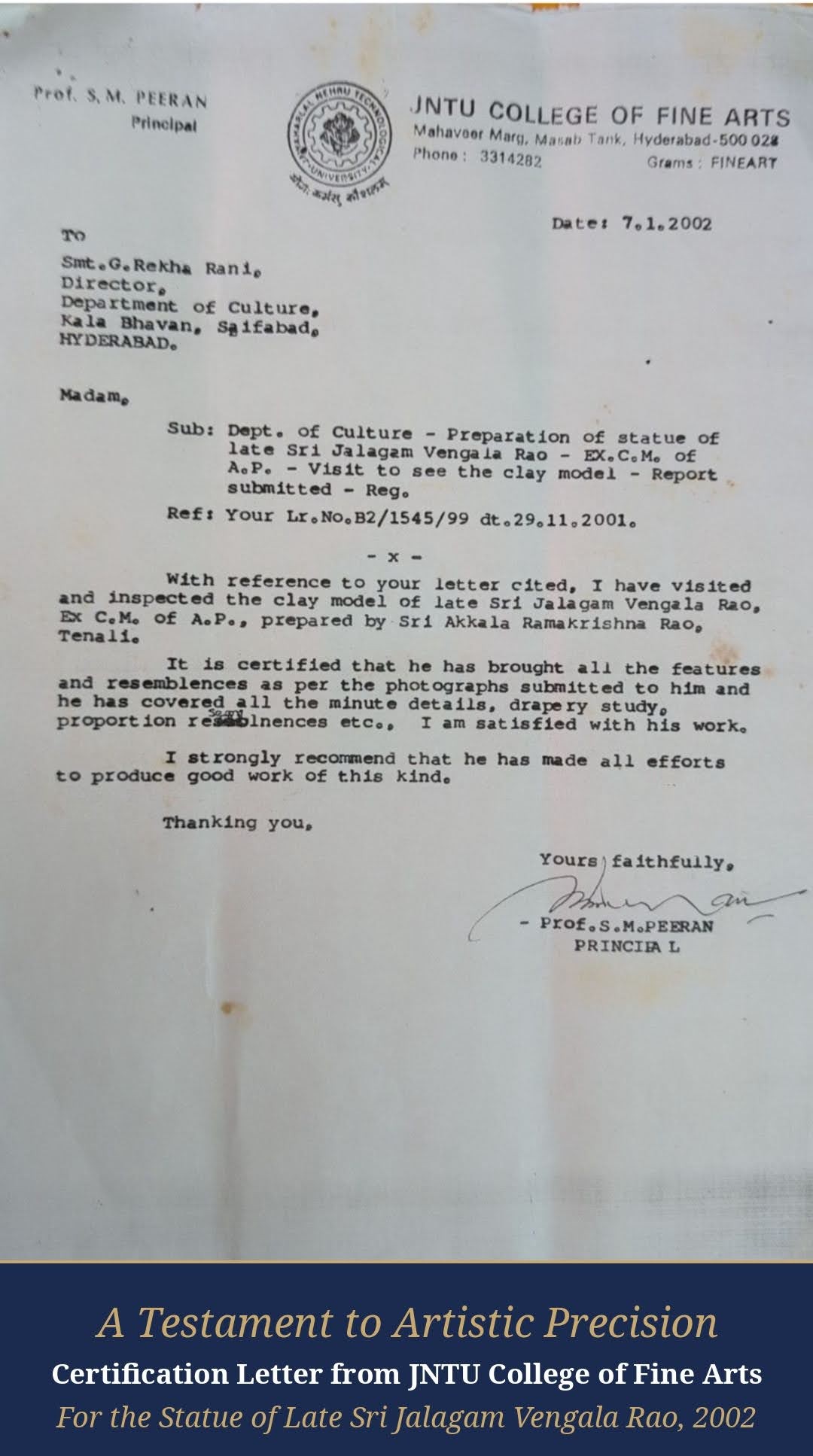
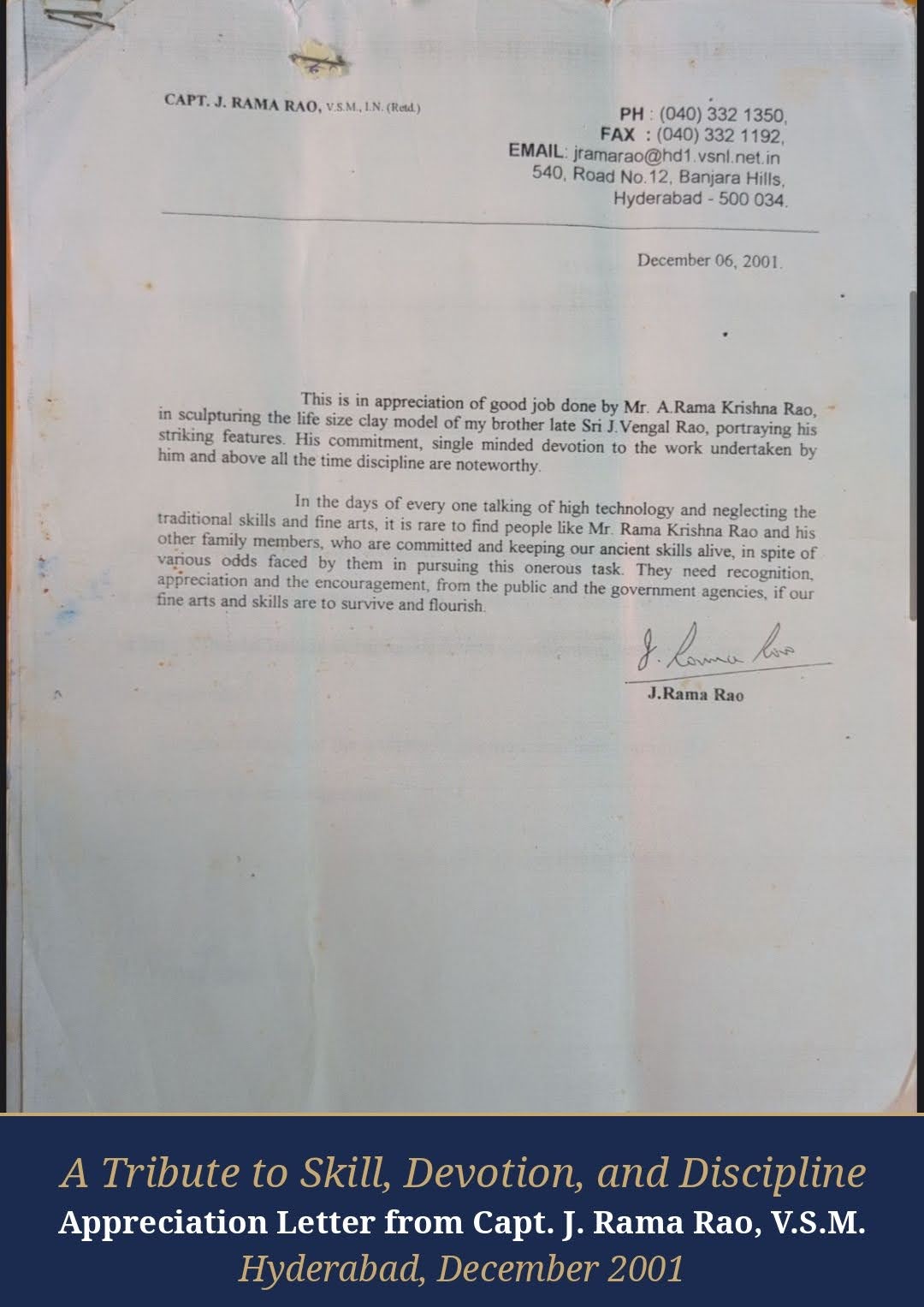
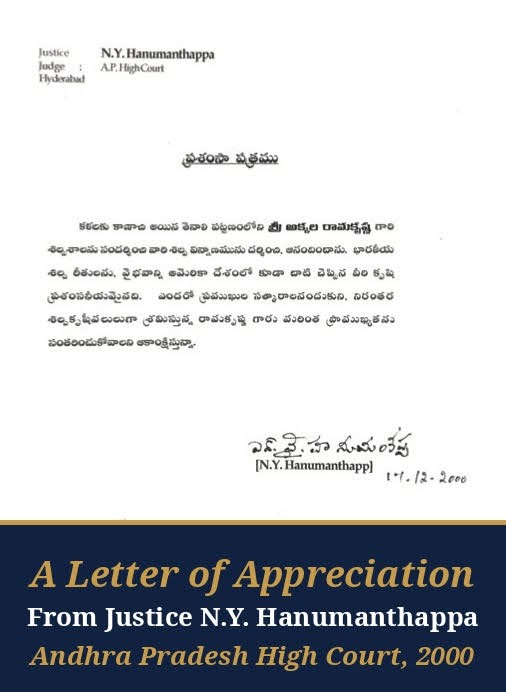
The artist's archive preserves official letters from Union Cabinet Ministers, Members of Parliament, and state officials — independent evidence of the commissions and recognitions listed here.
Temple Works & Sacred Commissions
The Vocabulary of the Hindu Temple
A master of gold, silver, panchaloha, bronze, and stone sculpture — with decades of experience crafting sacred icons and architectural elements for major Hindu temples worldwide. His repertoire spans moola virat, kiritas, vahanas, simhasanas, silver and bronze doors, utsava vigrahas, kavachas, and makara thoranas.
India
Sri Veera Venkata Satyanarayana Swamy Temple, Annavaram · Sri Lakshmi Narasimha Swamy Temple, Antharvedi · Vijayawada Kanaka Durga Temple · Simhachalam Sri Varaha Lakshmi Narasimha Swamy Temple · Vizag Kanaka Mahalakshmi Temple. Installations across Telangana, Karnataka, Tamil Nadu, Maharashtra, Madhya Pradesh, West Bengal, and other states.
United States
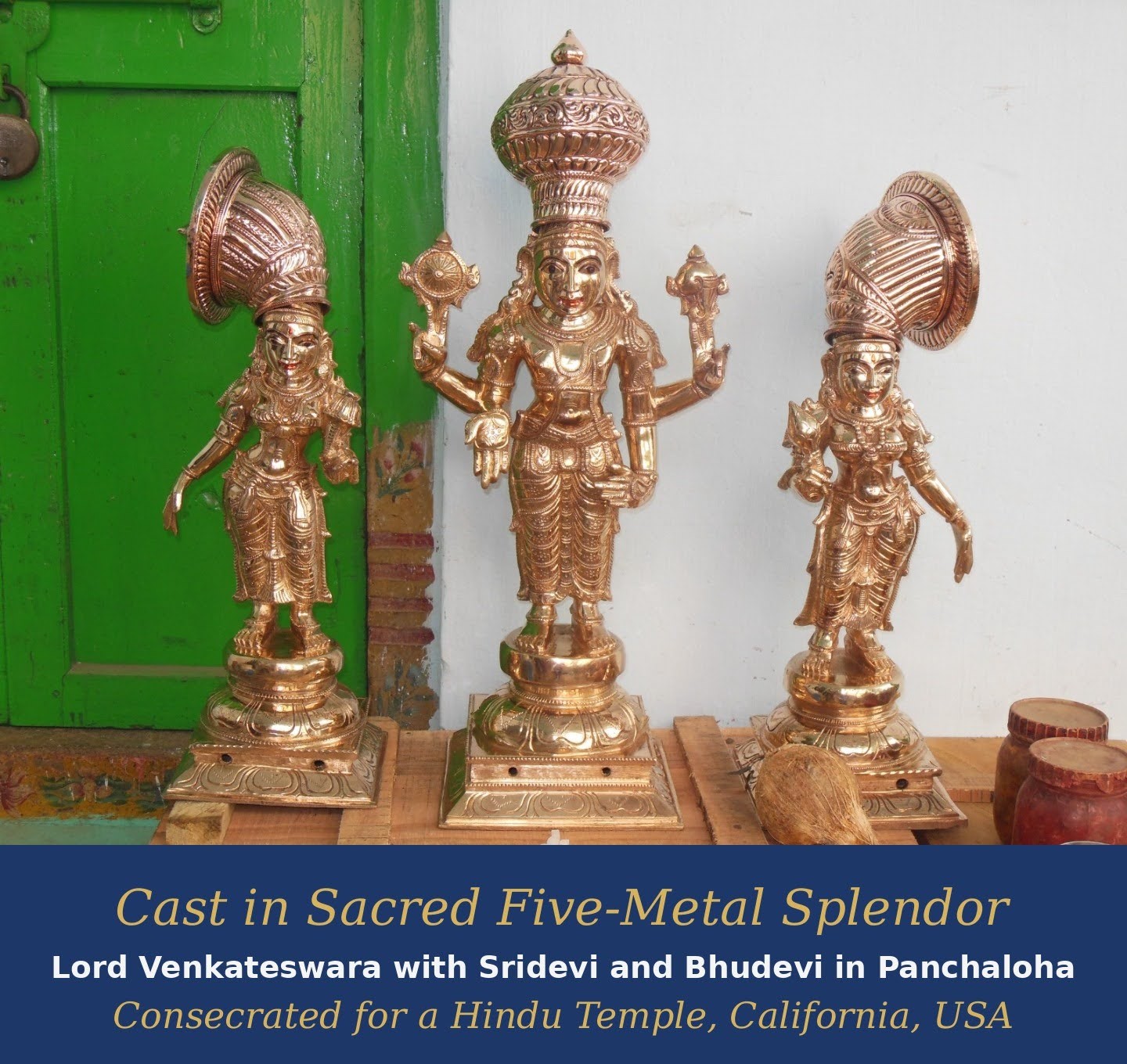
Jackson Hindu Temple, Mississippi · Livermore Sri Venkateswara Temple, California · Lemont Rama Temple, Chicago · Aurora Temple, Chicago · Meenakshi Temple Society, Houston / Pearland, Texas · Sri Venkateswara Swamy Temple, New Jersey · Sai Baba Temple, Jacksonville, Florida · Hindu temples in Michigan and Virginia.
Kenya
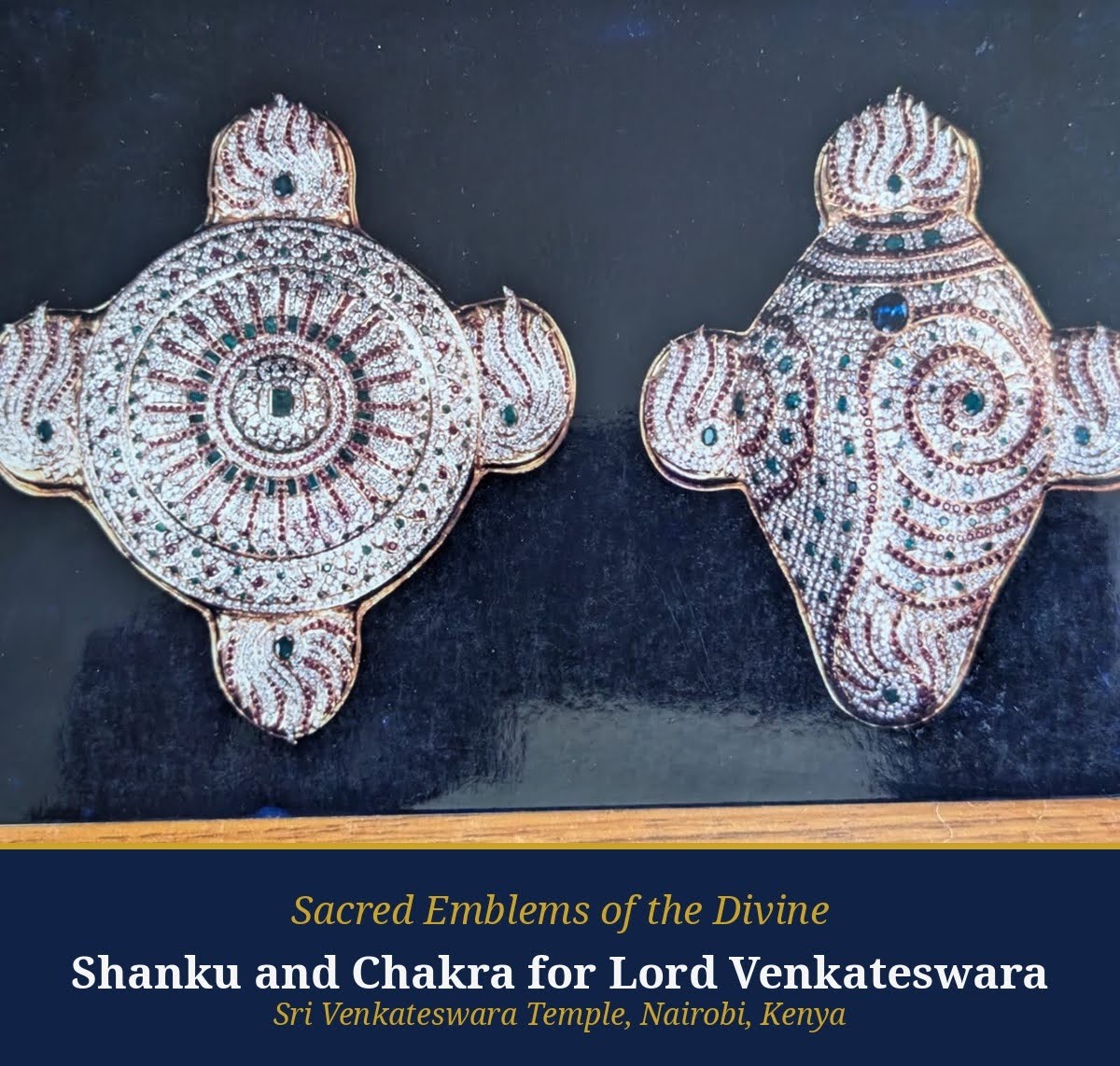
Sri Venkateswara Temple, Nairobi — sacred ornaments including karnabharanams (ear ornaments), kati and varada hasta (waist and hand ornaments), and shanku & chakra (the divine conch and discus).
Ireland
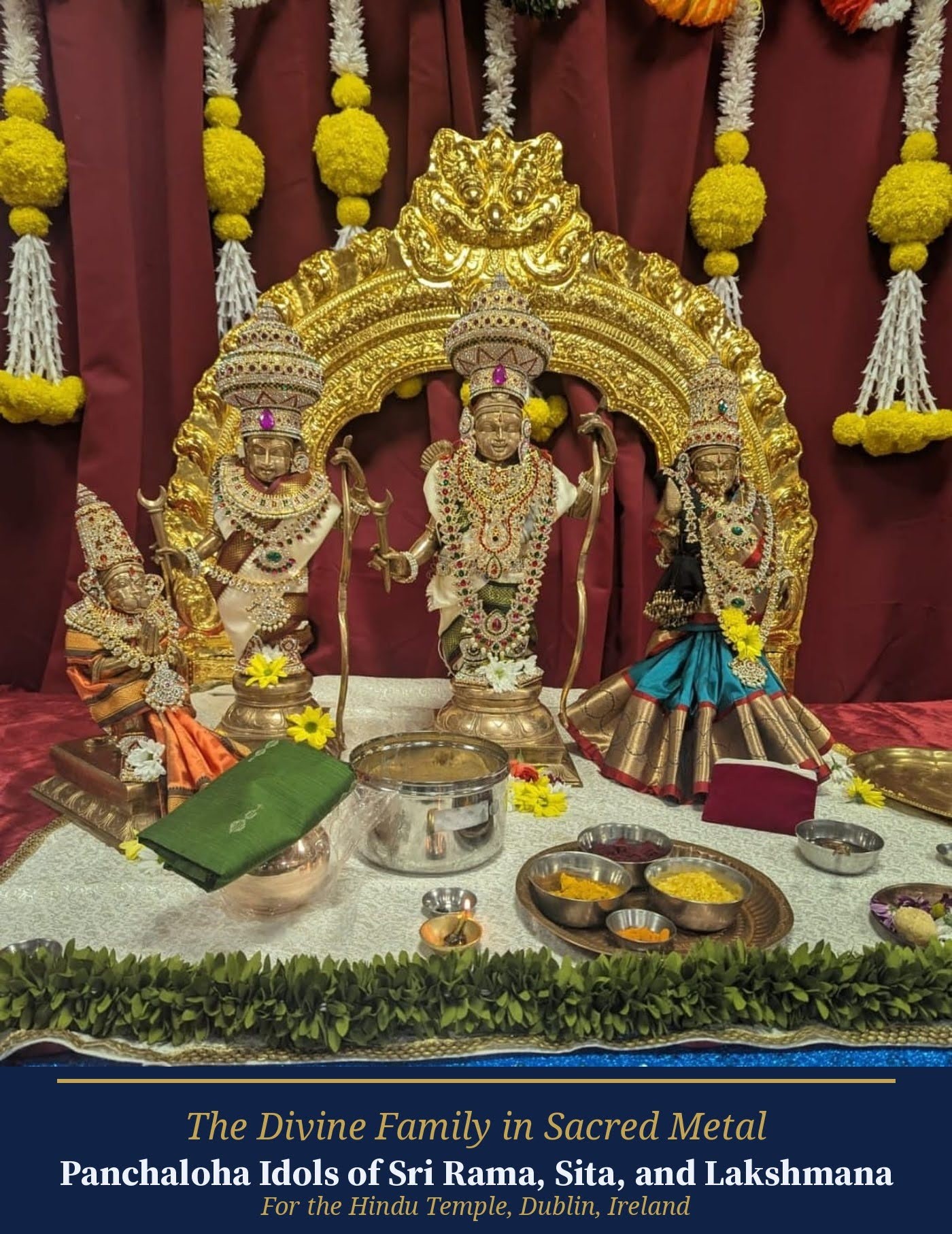
Hindu Temple, Dublin — devotional works crafted for the Irish diaspora community, including a Lord Ganesha panchaloha idol and processional icons of Rama, Sita, Lakshmana, and Lord Venkateswara.
The U.S. Residency · 1995–1997
Crafting for the American Diaspora
Between 1995 and 1997, Sri Akkala Ramakrishna Rao spent more than two years on-site in the United States crafting gold and silver aabharanas (ornaments) and idols for Hindu diaspora temples. His work during this residency reached temples in Mississippi, Illinois, Texas, New Jersey, and California, and helped shape the sacred aesthetic of the growing Hindu-American temple movement.
Notable outcomes include the silver prabhavali and full aabharanas for Lord Venkateswara at the Hindu Temple Society of Mississippi (Jackson), the copper embossing work in the same temple, and the Panchaloha family of Lord Venkateswara with Sridevi and Bhudevi for a temple in California.
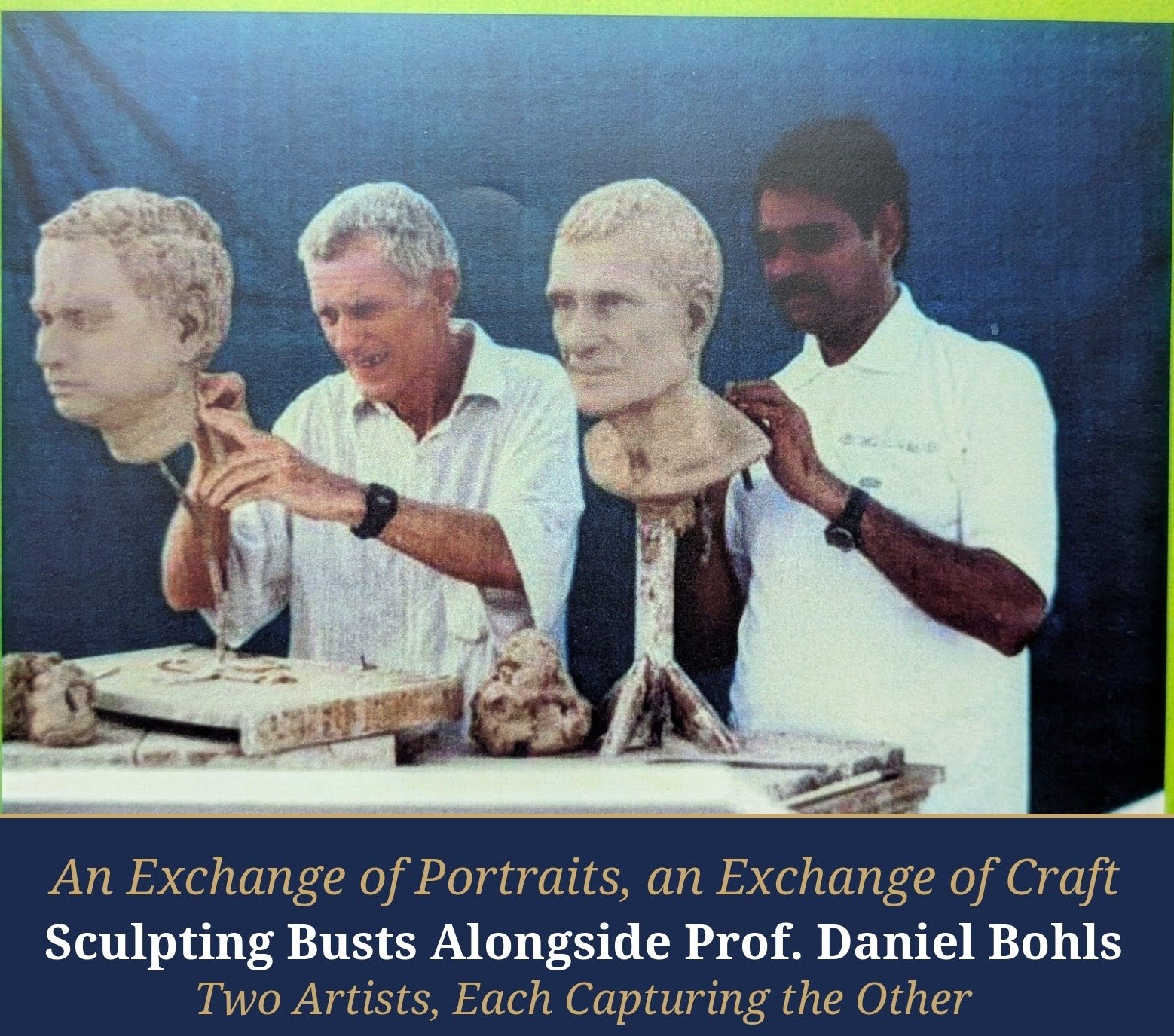
He also collaborated during this period with Prof. Daniel Bohls, sharing studio practice and cross-cultural teaching that continued to inspire youth in Andhra Pradesh after his return.
Nairobi, Kenya · 2005
Sacred Ornaments for the Nairobi Venkateswara Temple
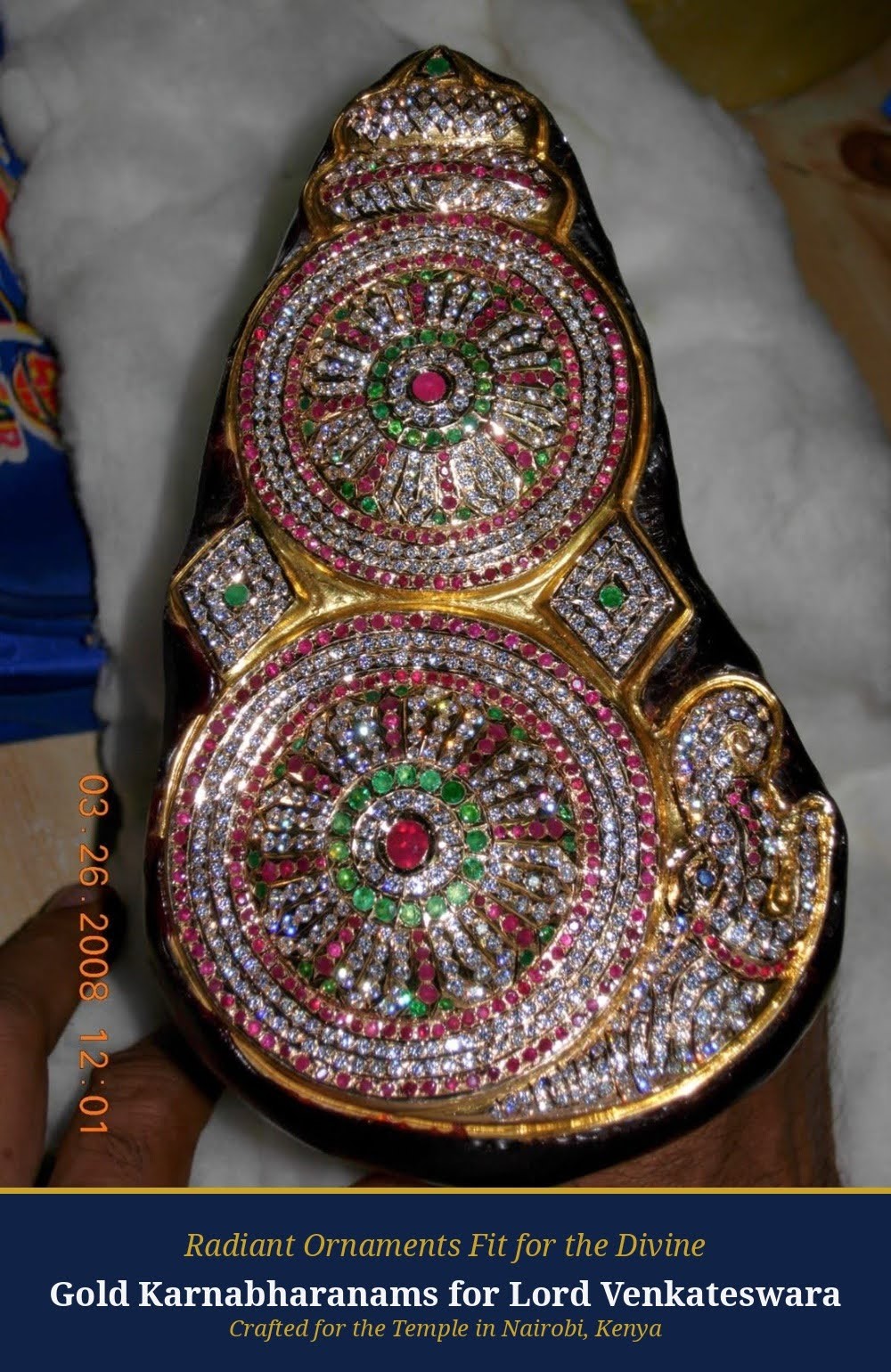
Invited to Nairobi in 2005, the sculptor crafted an exquisite set of gold karnabharanams (ear ornaments), the kati and varada hasta (waist and hand ornaments), and the shanku & chakra (the divine conch and discus) for the presiding deity of the Sri Venkateswara Temple in Nairobi — carrying the vocabulary of Andhra temple ornamentation to East Africa.
Dublin, Ireland
Panchaloha for the Irish Diaspora
For the Hindu Temple in Dublin, Sri Akkala Ramakrishna Rao crafted devotional works including a Lord Ganesha panchaloha idol and processional icons of Rama, Sita, Lakshmana, Lord Venkateswara, and Lord Ayyappa — establishing an unbroken thread of South Indian temple sculpture as far as the western edge of Europe.
The Vocabulary of Temple Ornament
To describe the range of his temple work fully is to walk through the Sanskrit vocabulary of the temple itself: moola virat (the presiding deity, permanently installed), utsava vigrahas (processional idols carried in festival), kavachas (gold or silver armours that clothe the deity), kiritas (crowns), karnabharanams (ear ornaments), vahanams (the vehicles of the gods — Garuda, Nandi, Hamsa), simhasanas (thrones), dvaras (temple doors), and makara thoranas (sacred arches). Each has its own iconographic canon; each requires its own metallurgy. Sri Akkala Ramakrishna Rao has crafted them all.
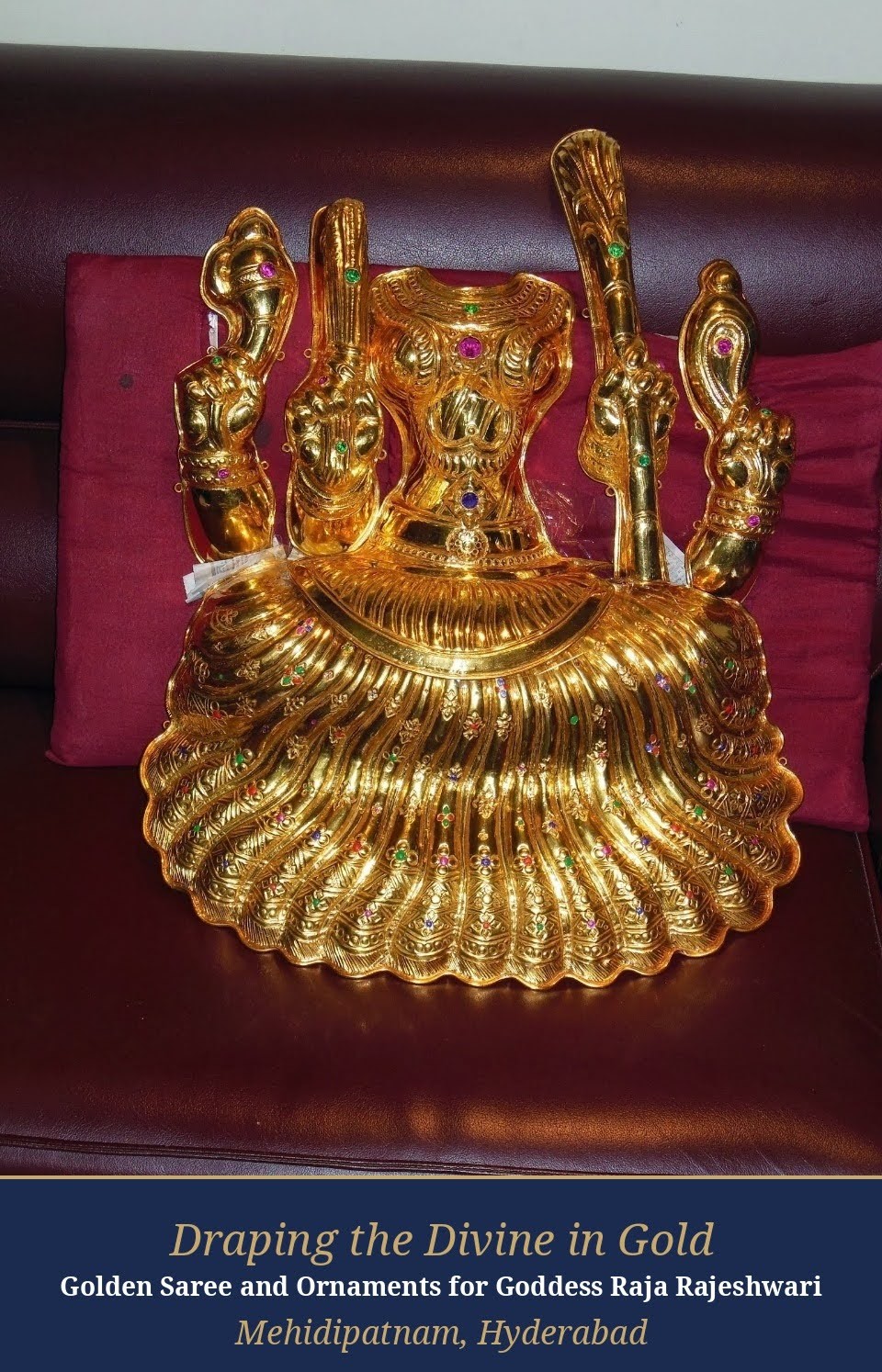
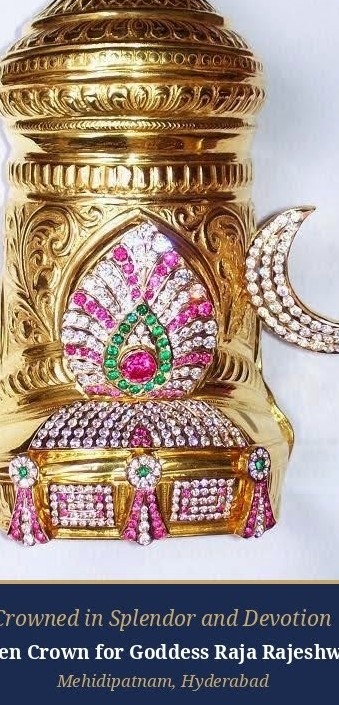
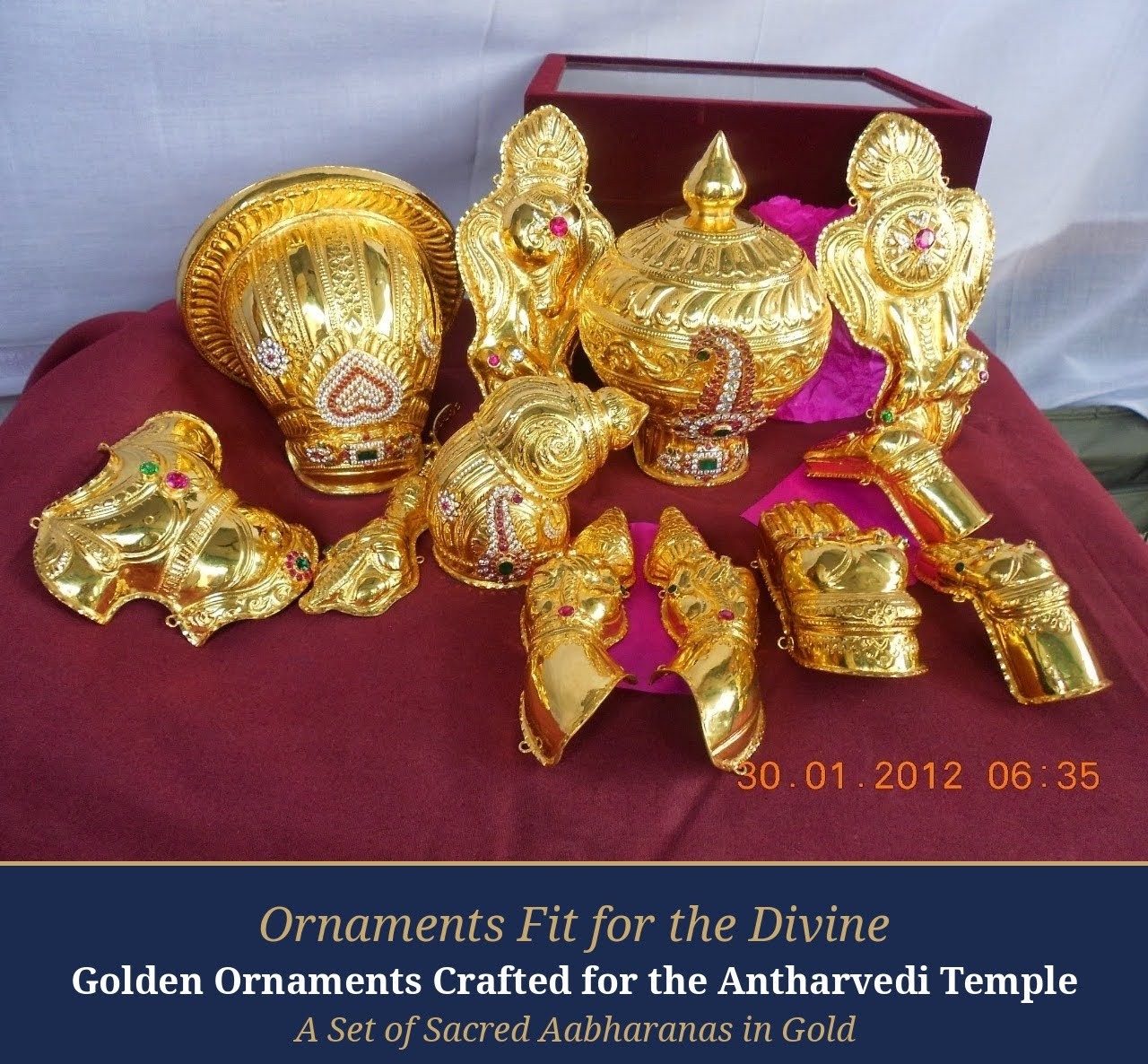
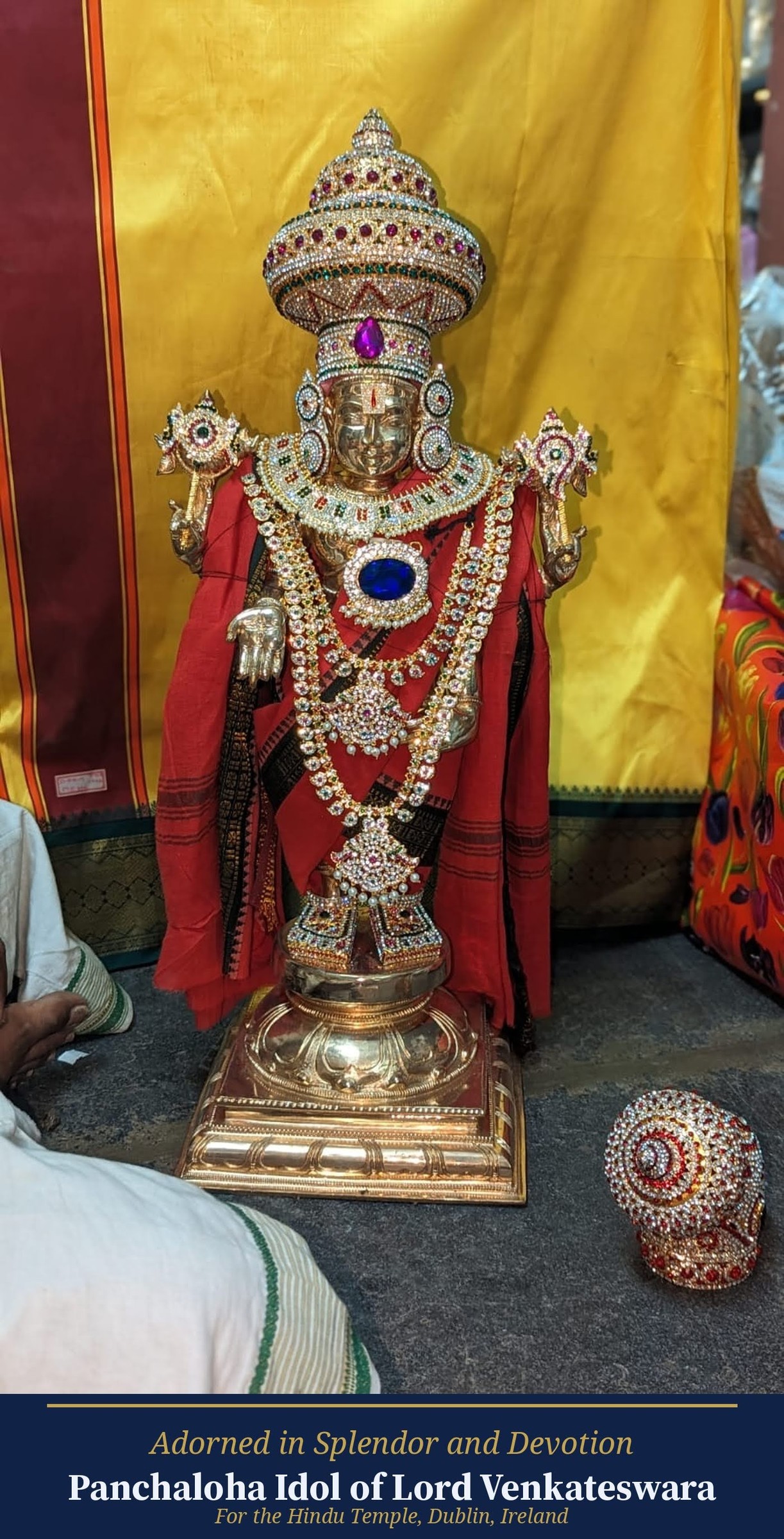
Explore every temple ornament, idol, and installation in the Gallery — filter by Temple Works.
The Sculptor at Work
Where Every Commission Takes Shape
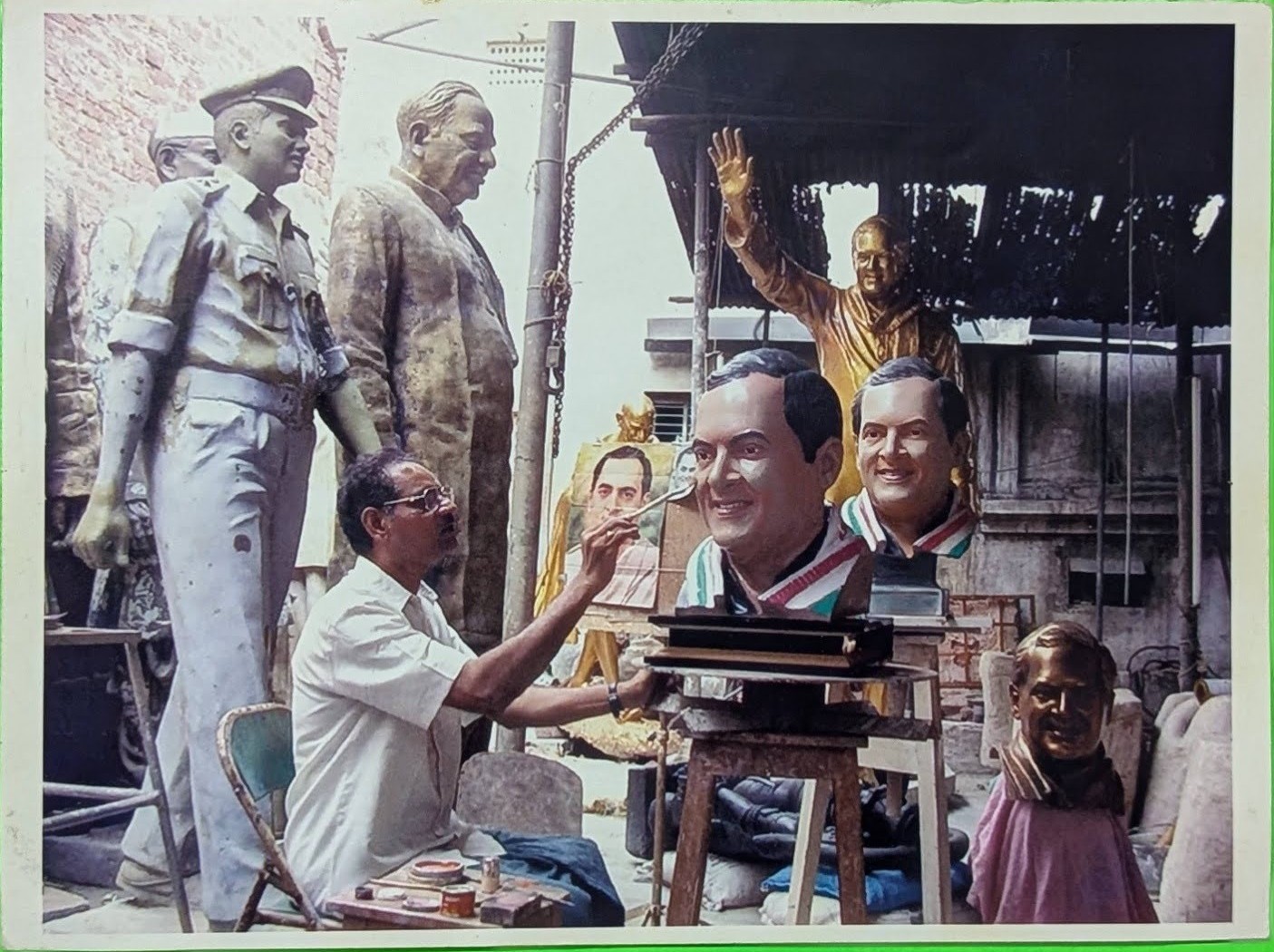
Public monuments and temple deities begin as clay, wax, and plaster in the sculptor's studio. The photographs in the archive show the working life of a master craftsman — measurement in one hand, chisel in the other, the finished work months away.
Silpa Vignana Sala, Tenali
The Working Life of a Master
The workshop, Silpa Vignana Sala in Tenali, is where every commission takes shape. Clay models are worked from photographs and — in the case of living subjects — from direct sittings. Once the likeness is right, the maquette is enlarged, cast in plaster, then finally cast in bronze using the lost-wax method that the family has practised for generations.
The photographs preserved in the archive show every stage of this process: the clay bust taking its first form under the sculptor's thumbs; portraits of the same subject side by side in different stages of finish; the finished bronze standing beside the sculptor. These images are not just documentation — they are the working life of a master captured in mid-thought.
Photographic Archive
Over 150 Works in the Archive
A curated visual archive — bronze portraits, temple ornaments, sacred icons, letters and certificates, and moments from the studio and public life. Click any image to view it larger; use the filters to browse by category.
Awards, Felicitations and Recognitions
A Life Honored by Prime Ministers, Governors, and Chief Ministers
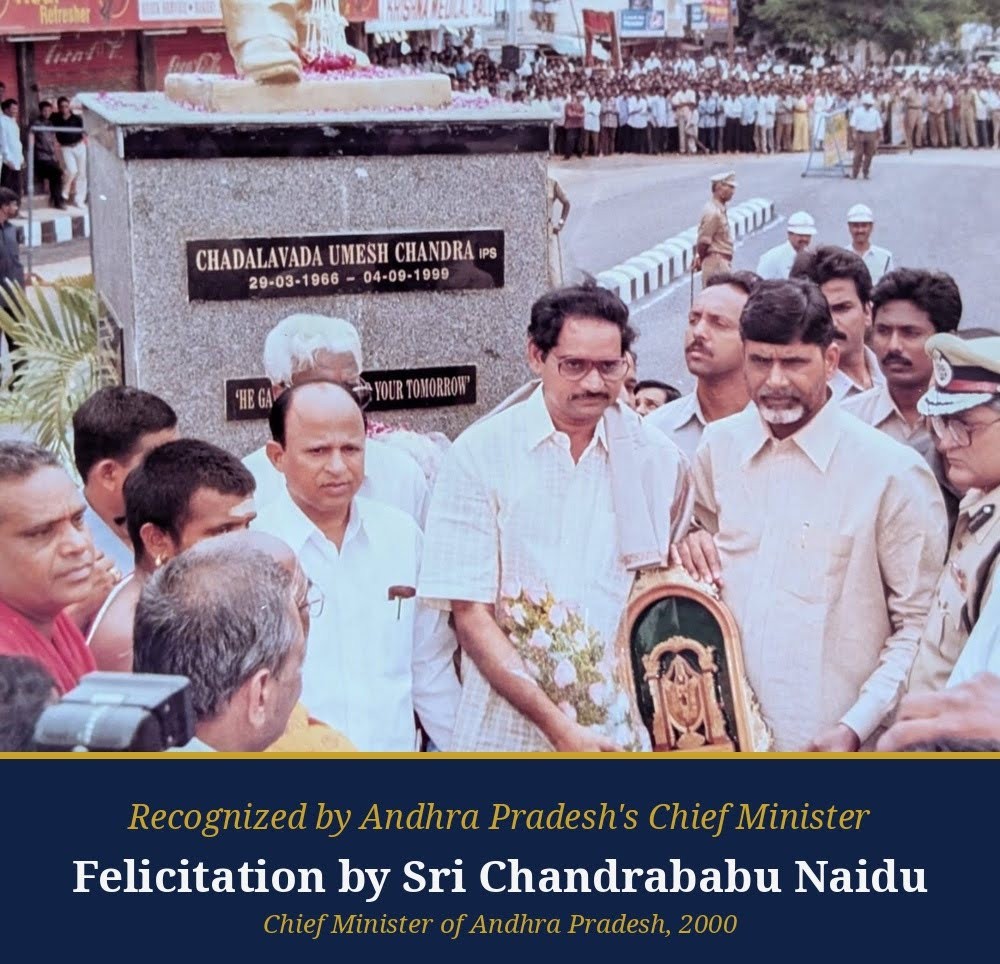
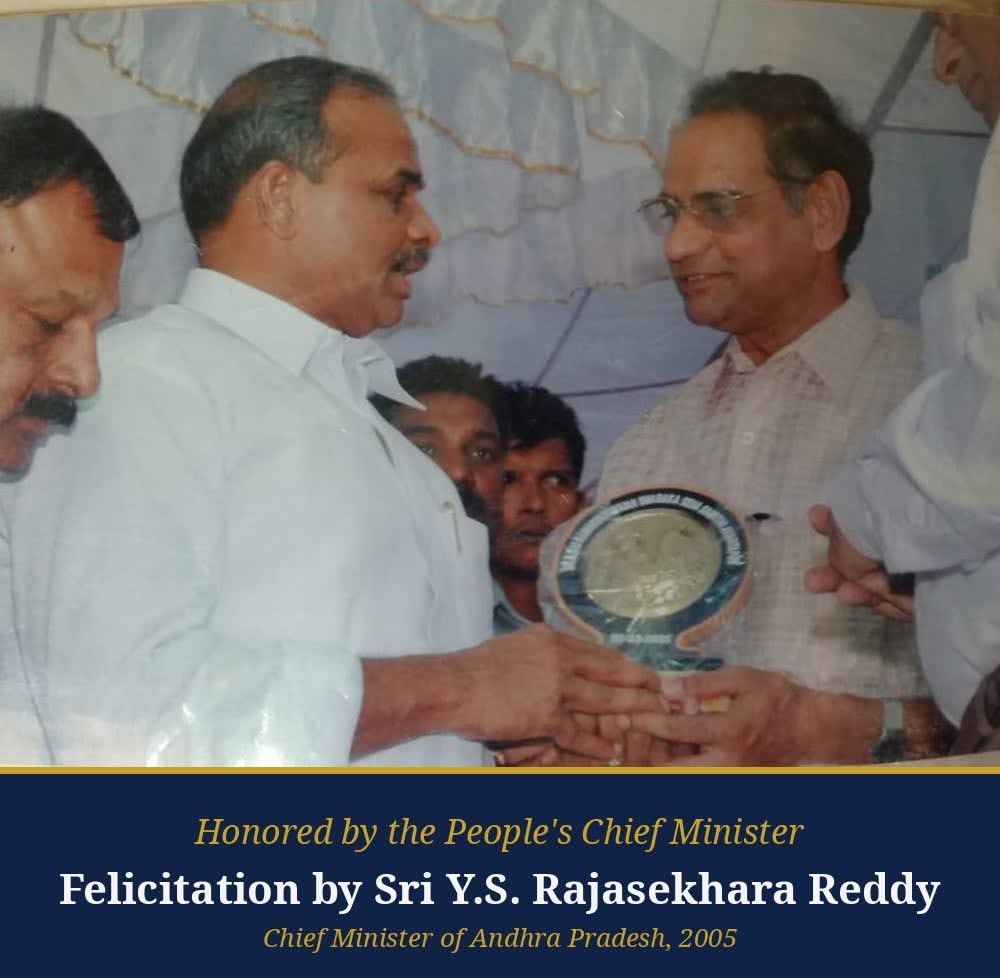
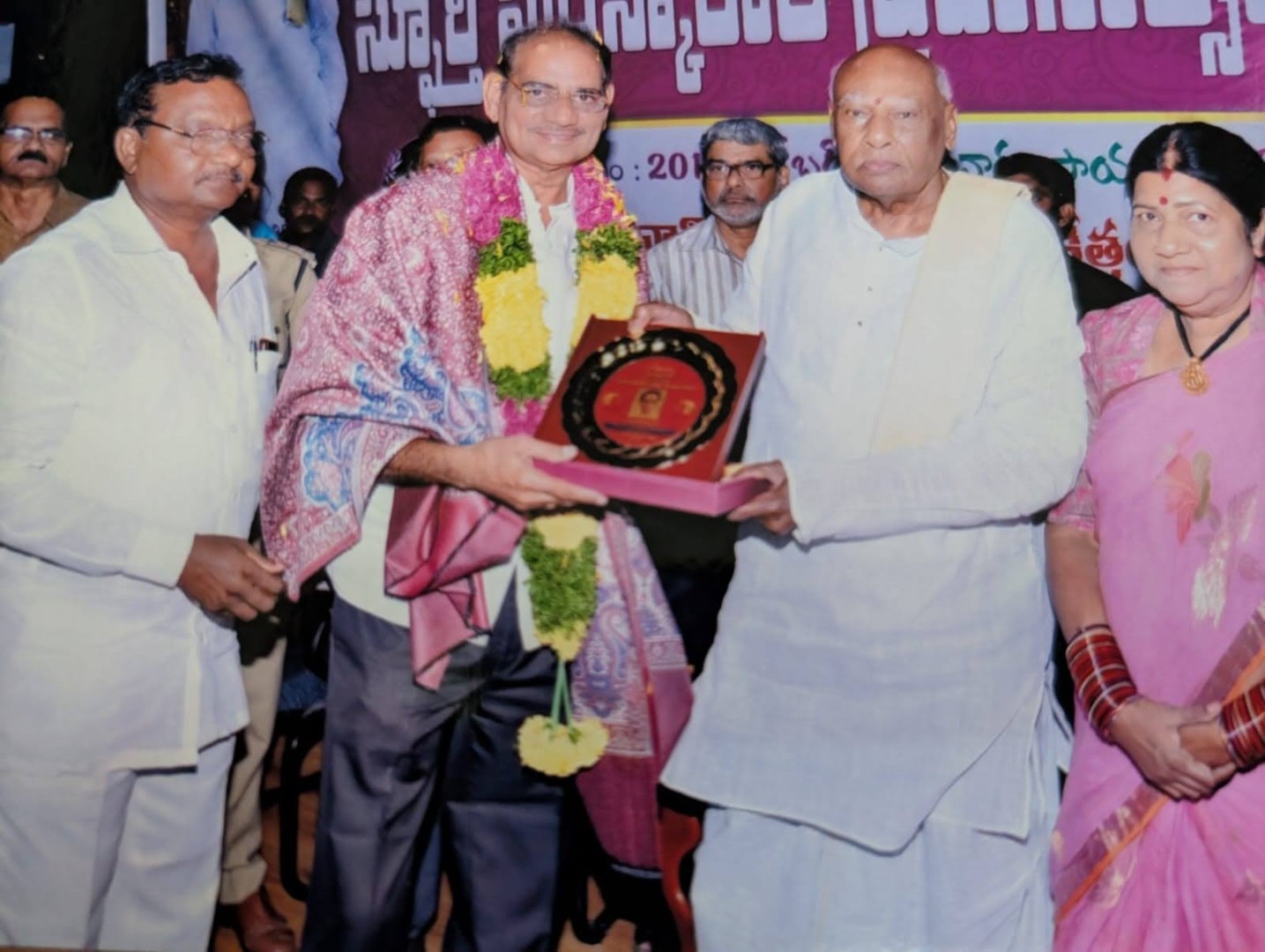
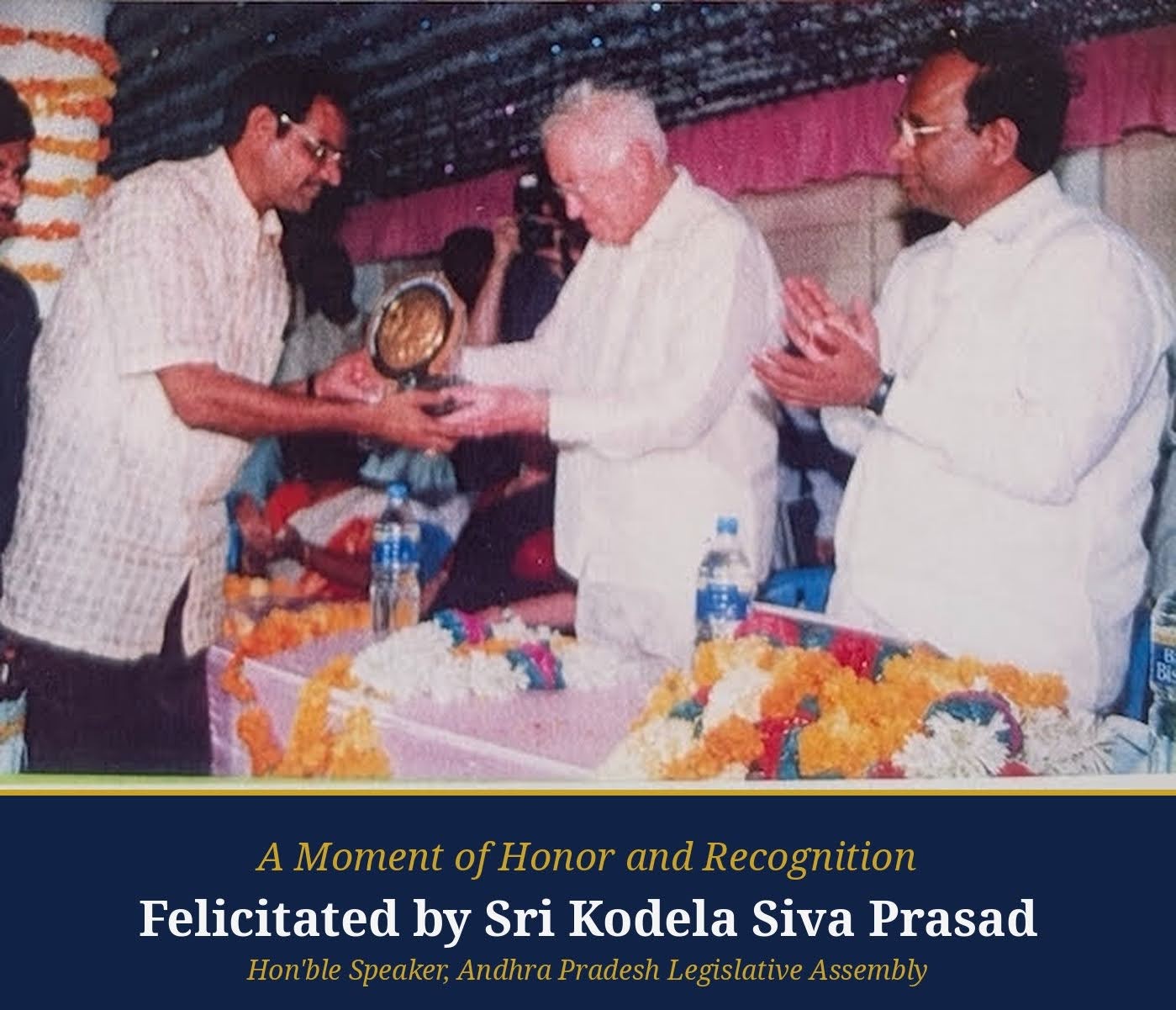
Across four decades, Sri Akkala Ramakrishna Rao has been personally felicitated by Prime Ministers, Chief Ministers, cabinet ministers, legislators, and distinguished public figures in recognition of his sculptural contributions to public life and cultural heritage.
Felicitation by Prime Ministers
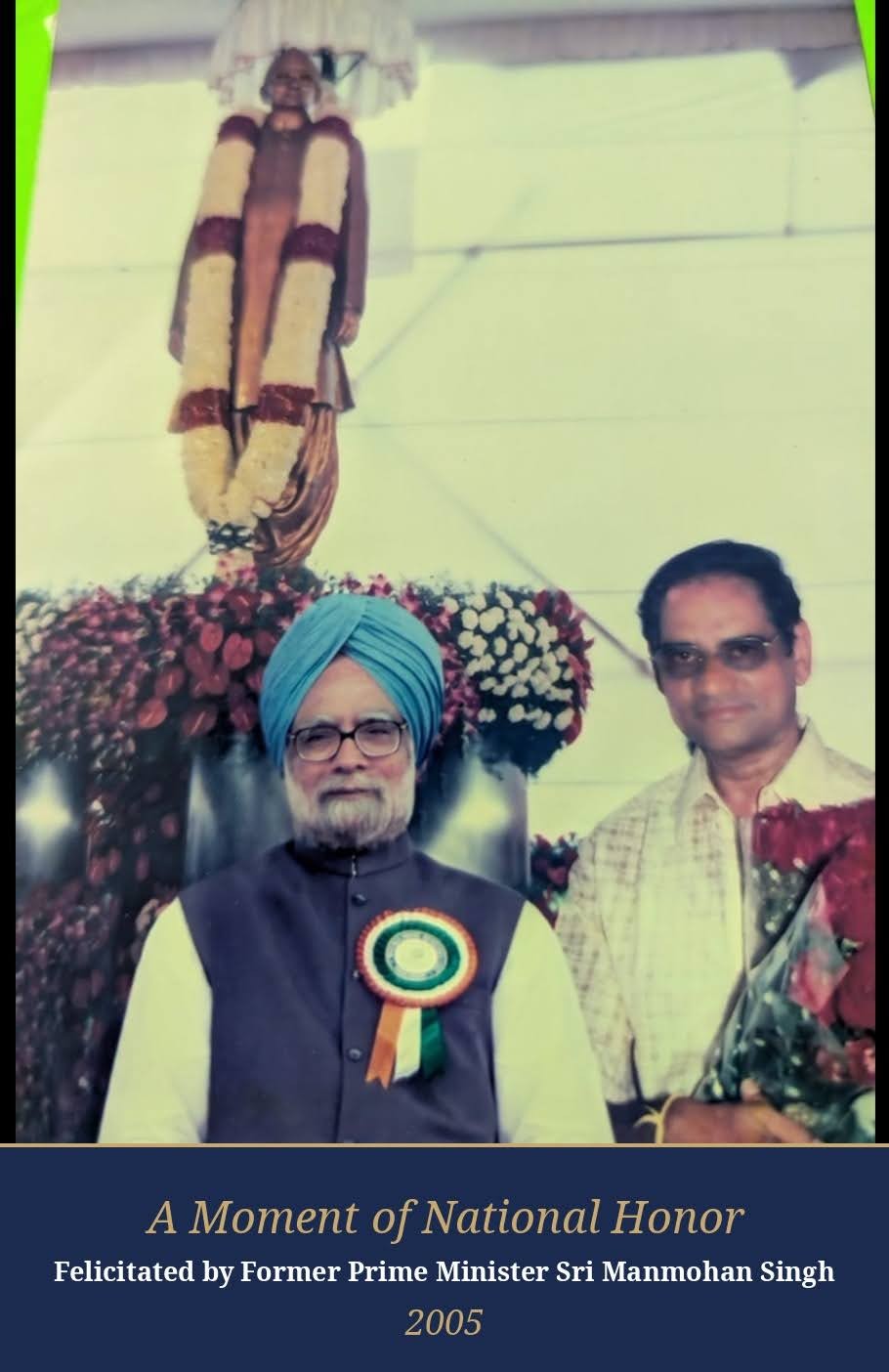
- Sri Manmohan SinghFormer Prime Minister of India2005
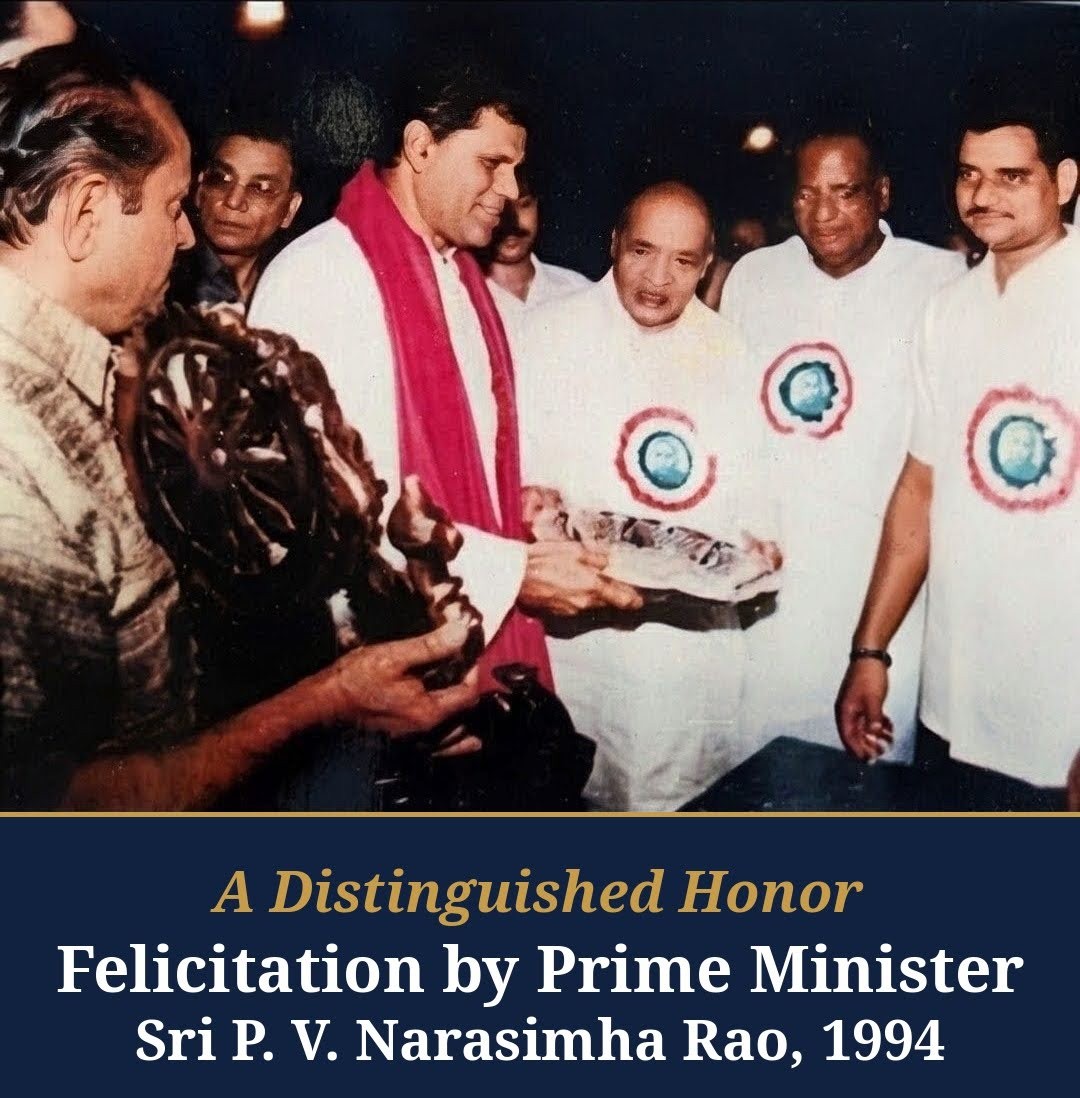
- Sri P.V. Narasimha RaoFormer Prime Minister of India1994
Chief Ministers of Andhra Pradesh
- Sri Nara Chandrababu NaiduChief Minister2000
- Dr. Y.S. Rajasekhara ReddyFormer Chief Minister2005
- Sri Nedurumalli Janardhan ReddyFormer Chief Minister1991
- Sri Kotla Vijaybhaskar ReddyFormer Chief Minister1994
- Sri Konijeti RosaiahFormer Chief Minister of Andhra Pradesh 2010; and again as former Governor of Tamil Nadu 2014
Awards, Certificates & Institutional Letters
- Ministry of Human Resource DevelopmentFormal commendation1993
- Committee of Privileges, Lok SabhaSri Shiv Charan Mathur, M.P.1993
- Union Cabinet, MHRDRecognition letter from Sri Arjun Singh1993
- District Award to Mastercraftsmen, GunturCertificate of Merit (Metal Work / Panchaloha)1980–81
- Tenali Times Sphoorthi Puraskaram2014
- JNTU College of Fine ArtsAppreciation for the statue of Sri Jalagam Vengal Rao2002
- Ugadi PuraskaramUyyuru Sarasa Bharathi cultural organization
- Government Technical Certificates, MadrasHigher Grade in Modelling · Freehand Outline & Model Drawing · Higher Grade in Design1979–80
Temple, Diaspora & Civic Recognitions
- UNESCO Club / Community AwardsRecognition for community contributions2005
- Nairobi Temple Invitation2005
- New Jersey & U.S. Temple InvitationsResidency documentation1995–97
- Hindu Temple Society of MississippiCertificates of Achievement for excellence in crafting deity aabharanas and abhishekam ornaments1997 & 1999
- Meenakshi Temple Society, Houston / PearlandFormal recognition of temple contributions
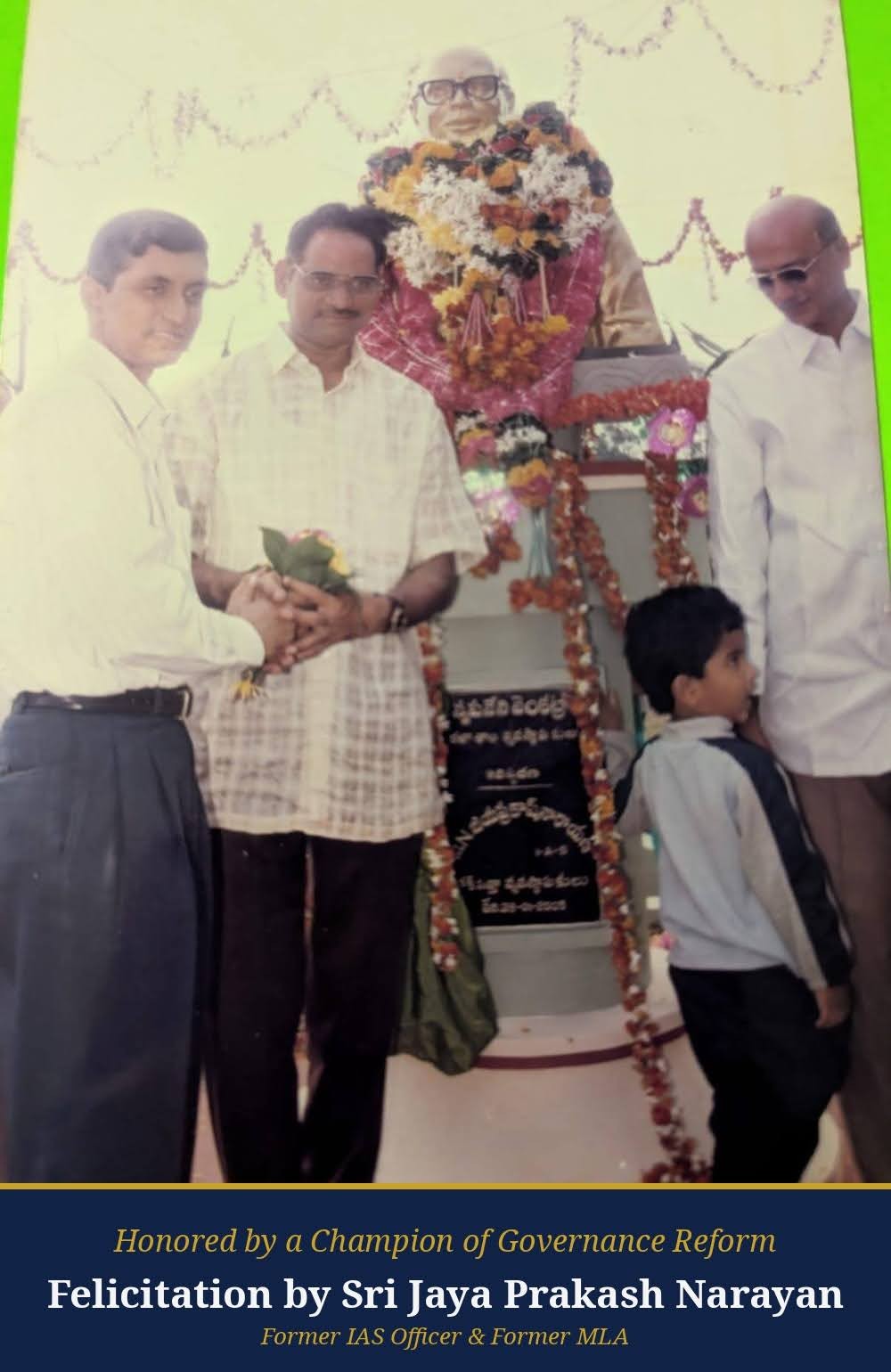
Legacy, Mentorship & Community Service
A Master's Obligation Is Not Merely to Make — It Is to Teach
Across five decades, Sri Akkala Ramakrishna Rao has trained apprentices, mentored young sculptors, and quietly funded free art education for children who could never have afforded it.
Mentor and teacher. Regularly trains apprentices in traditional techniques — the discipline of proportion, the metallurgy of panchaloha, the ritual grammar of iconography. Organises and participates in workshops and motivational events at local and state levels.
Cultural preservation. Actively preserves the Shilpi lineage by documenting methods, supervising temple installations, and advising on iconographic correctness. He is a resource, quietly consulted, for temples and sculptors across South India.
Charitable engagement. Established Chitra Kala Parishath in 1990 to teach art and sculpture to younger generations free of cost. Participates in community events and public commemorations. Donates time and expertise to temple and civic projects.
Press coverage in the artist's archive documents free training provided to orphaned children in drawing and sculpture — a lifelong commitment to the idea that art belongs to everyone, regardless of means.
Chitra Kala Parishath · Founded 1990
A Charitable Trust for Free Art Education
Alongside his sculptural practice, Shri Akkala Ramakrishna Rao founded Chitra Kala Parishath, a charitable trust established in 1990 in Tenali with a generous and singular purpose: to teach art and sculpture, free of cost, to children and young adults regardless of their means.
The trust was formally inaugurated on 24 November 1990 with an opening art exhibition, Chitrakala Pradarsana, held at Mahila Mandali, Kothapeta, Tenali — an occasion documented in the trust's own invitation card and in contemporaneous home-video footage preserved in the family archive.
The Parishath's mission combined instruction with recognition and encouragement. It was established to identify and nurture promising young artists, to publicly honor established and renowned artists as models for the students, and to teach modern artistic technique — drawing, painting, and modelling — without denting or diluting the traditional style and iconographic discipline that Shri Akkala Ramakrishna Rao had himself inherited.
Classes emphasized hands-on practice: students painted, sketched, and modeled directly under supervision, and their finished work was regularly exhibited to the public, giving young and often underprivileged artists their first experience of having their work seen and celebrated.
Funded and run personally by Shri Akkala Ramakrishna Rao using proceeds and recognition from his own sculptural career, Chitra Kala Parishath operated successfully for several years, providing free art education to dozens of underprivileged children in Tenali — a charitable extension of the same family sculptural tradition documented throughout this site, redirected toward the education and encouragement of the next generation of artists.